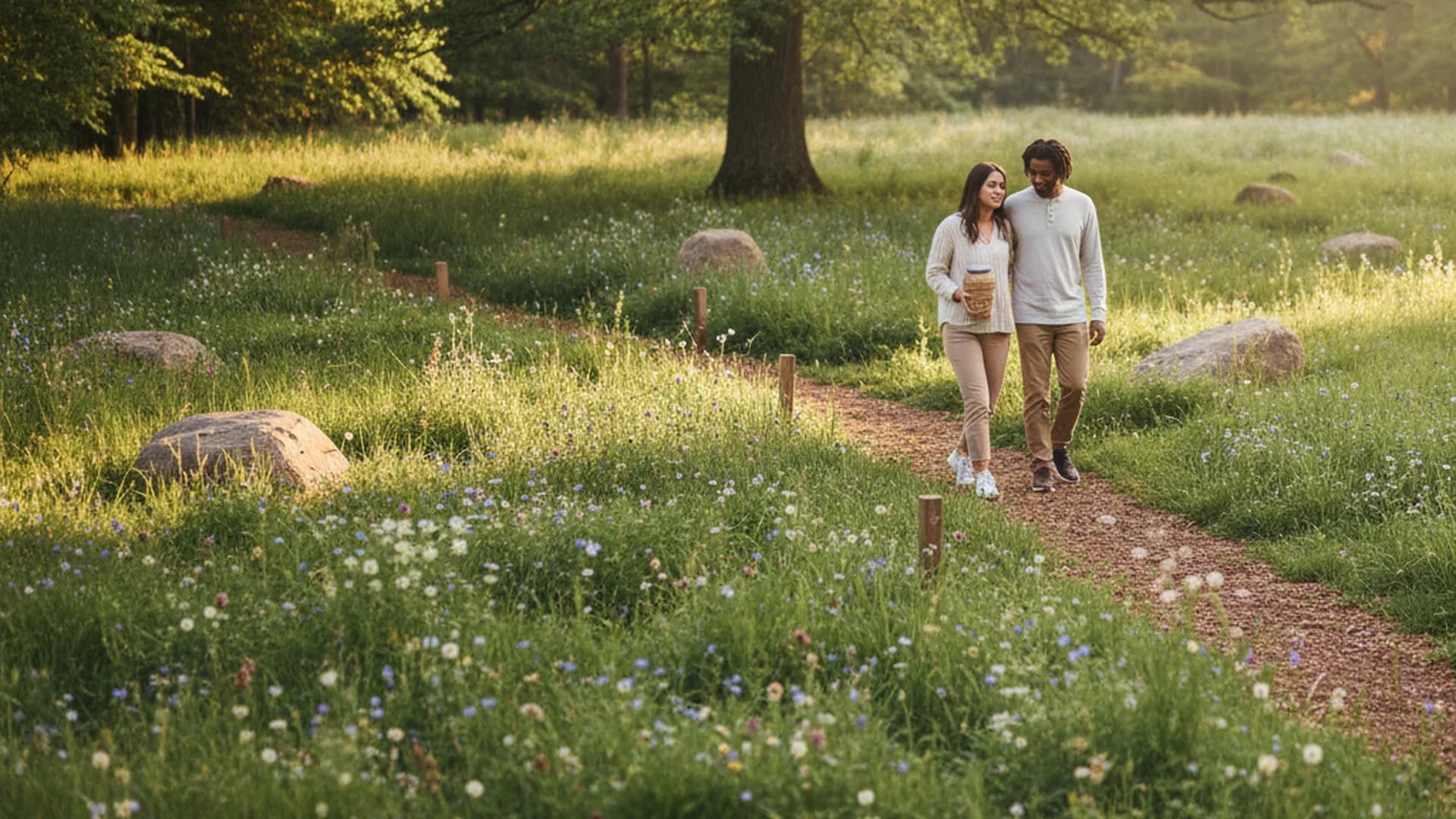
For many, the idea of a final resting place has shifted from manicured lawns and heavy stone monuments to the quiet, untamed beauty of a forest or meadow. A conservation cemetery offers the highest standard of eco-friendly death care, merging the necessity of burial with the urgency of land preservation. Unlike standard cemeteries, these sites are designed to be nature reserves first and burial grounds second, ensuring that your final legacy is the permanent protection of a wild ecosystem.
Choosing a conservation burial ground is more than an environmental statement; it is a commitment to a biological cycle that has existed for millennia. By opting for this path, families contribute directly to the restoration of local habitats, the protection of endangered species, and the reduction of the funeral industry’s carbon footprint.
Understanding the Conservation Burial Standard
While "green burial" has become a popular term, it is important to distinguish between a standard green cemetery and a certified conservation burial ground. A conservation cemetery must partner with a land trust and establish a legal conservation easement. This ensures that even if the cemetery changes ownership or the business closes, the land can never be developed for housing, retail, or industry.
The Power of Carbon Sequestration
The environmental difference between traditional and conservation burial is significant. A traditional vault burial carries a substantial environmental footprint, driven by the manufacturing of steel, the mining of stone, and the production of concrete, plus the embalming chemicals used in many traditional funerals.
A conservation burial avoids all of that. By allowing the body to decompose naturally without a concrete vault or embalming fluid, organic matter is returned to the soil and supports the trees and plants that make up the protected habitat.
The Financial Reality of Conservation Burial
A common misconception is that "eco-friendly" must mean "expensive." In reality, while the price of the land itself might be higher to fund ongoing stewardship, the total cost of a conservation funeral is often lower than a traditional service.
| Expense Item | Traditional Burial | Conservation Burial |
|---|---|---|
| Burial Plot | $1,000 - $2,500 | $1,500 - $4,000 |
| Casket/Vessel | $2,000 - $10,000 | $200 - $1,500 |
| Embalming | $700 - $1,000 | $0 (Not permitted) |
| Outer Vault | $1,500 - $3,000 | $0 (Not permitted) |
| Total Est. | $5,200 - $16,500 | $1,700 - $5,500 |
The main thing: By choosing a conservation site, a portion of your plot fee typically goes into an endowment fund specifically for land restoration, meaning your purchase directly finances the planting of native species and the removal of invasive ones.
Decisions and Timeline: Planning Your Legacy
Planning for a conservation burial requires more foresight than a traditional service because these sites are fewer in number and have stricter requirements for body care and vessels.
1. Selection and Pre-Need Arrangements
Formally certified conservation burial grounds are relatively few in the United States, though more cemeteries are adopting green burial principles. Finding a site near you is the first step, and you should verify that the site has a third-party conservation easement through a land trust. Waiting until the "at-need" moment can be stressful, since some sites have limited capacity, so planning ahead is worthwhile.
2. Choosing a Biodegradable Vessel
Everything placed in the ground must be able to break down naturally. You have several choices:
- Simple Shrouds: Made from silk, cotton, or linen, often lowered on a board and used in place of a casket entirely.
- Wicker or Bamboo Caskets: Hand-woven options that provide a more traditional "box" feel while remaining fully compostable.
- Untreated Wood: Pine or cedar boxes held together with wooden dowels rather than metal screws.
- Fungal Innovations: Mycelium-based shrouds and suits are gaining attention for their ability to help break down the body and neutralize toxins in the soil.
3. Body Care and Transportation
Standard formaldehyde-based embalming is strictly prohibited in a conservation cemetery. If a viewing is desired, families should utilize refrigeration or non-toxic, essential oil-based fluids.
Approaches You May Encounter
The field of eco-friendly death care continues to develop, and conservation grounds vary in what they offer. A few approaches you may come across:
- Human Composting Connection: In states where natural organic reduction (human composting) is legal, the resulting soil is sometimes used to restore degraded land, and some conservation projects coordinate with composting facilities. Availability depends on state law.
- GPS Location Instead of Headstones: To maintain a natural appearance, many sites do not allow upright headstones. Instead, graves are recorded with GPS coordinates, and some sites permit a flat native fieldstone or a memorial planting.
- Medical Implants: Pacemakers must generally be removed before any natural burial (they are also a hazard in cremation). Ask the cemetery and funeral home how implants are handled, as policies differ by site.
Mistakes to Avoid
- Confusing "Natural" with "Conservation": A "Natural Burial Ground" may skip the chemicals and vaults, but without a conservation easement, that land is not legally protected from future development. Always ask to see the easement documentation.
- Assuming it's Illegal: Many people believe state laws require vaults or embalming. This is a myth. These are cemetery-specific policies designed to make lawn mowing easier or to increase profit margins. In a conservation cemetery, the lack of a vault is a requirement, not a legal hurdle.
- Waiting Too Long: Unlike traditional cemeteries that can stack vaults, conservation sites have strict density limits. If you have a specific forest or meadow in mind, securing your plot "pre-need" is essential.
Frequently Asked Questions
How do you find the grave without a headstone?
Will animals dig up the body?
Is it safe for the groundwater?
Can I have a traditional funeral service?
undefined
Choosing a conservation cemetery is an act of profound generosity. It turns the end of one life into the sustenance for thousands of others—from the microorganisms in the soil to the birds in the canopy. By following the timeline of selection, choosing biodegradable materials, and ensuring legal protections are in place, you can ensure that your act on earth is one of restoration and peace.
Takeaway: Because conservation cemeteries tie burial fees to a protected, low-density nature reserve, each burial directly supports keeping that land undeveloped and managed as wildlife habitat.
Informational Purposes Only
This article is for informational purposes only and does not constitute legal, medical, or financial advice. Laws, costs, and requirements vary by location and individual circumstances. Always consult a qualified legal, medical, or financial professional for advice specific to your situation.
Written by
Matt Morgan
Founder & Editor
Matt Morgan is the founder and editor of End of Life Tools, where he researches end-of-life topics from primary public sources and writes plain-language guides. General information only — he is not a licensed professional, and this is not professional advice.
View full profile →Put it into action
Found this helpful?
Explore our free-to-use planning tools to put what you learned into action.