Key Takeaways
- Organ, eye, and tissue donation do not prevent an open casket funeral.
- Restoration techniques used by morticians ensure a natural appearance.
- The donation process is free for the family and rarely causes funeral delays.
Deciding to become a donor is one of the most selfless acts a person can perform, yet many families hesitate due to concerns about the final viewing. A common question I hear in my role as a financial planner is: "Will organ donation and open casket services be compatible, or will my loved one look different?"
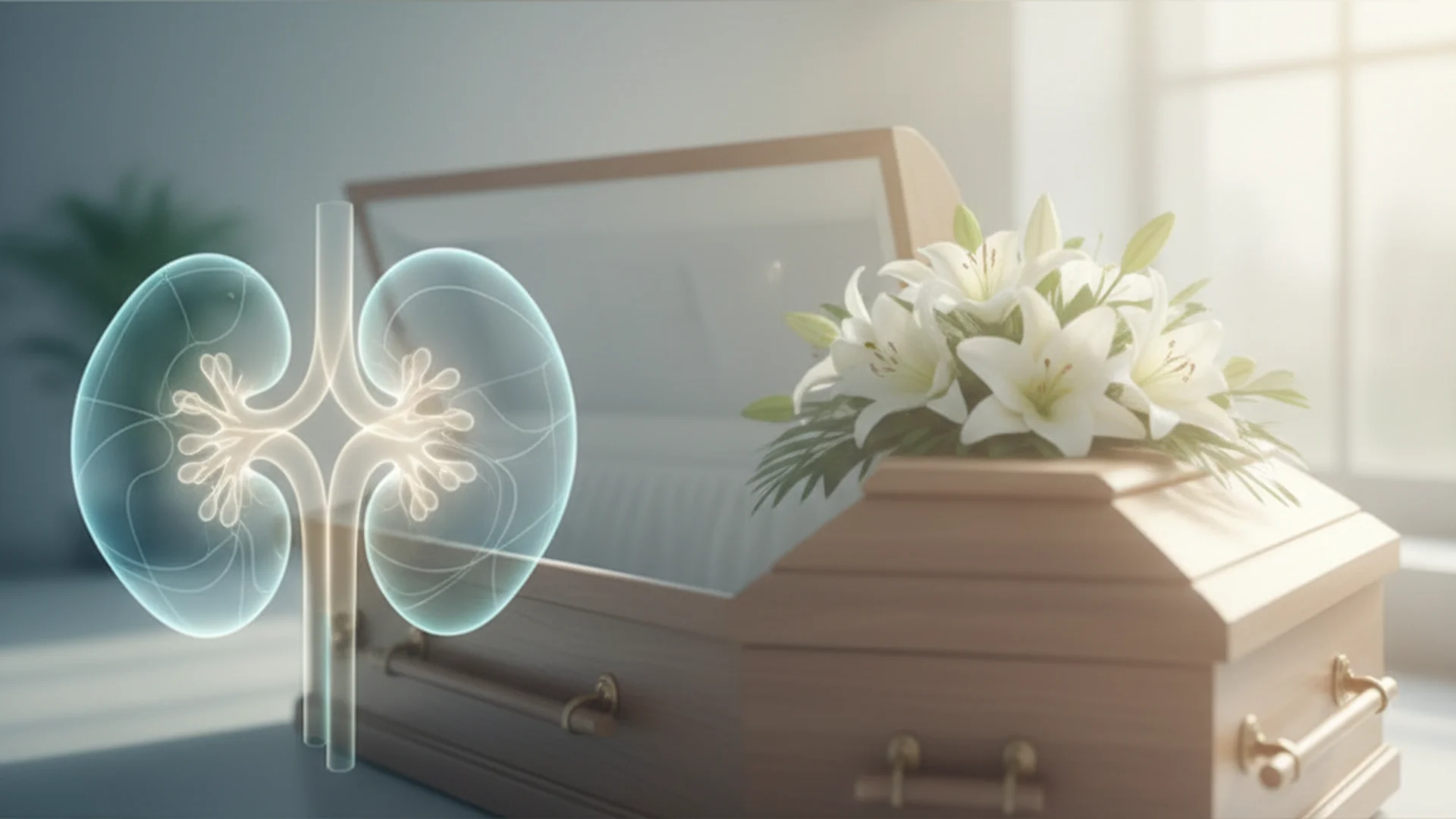
The short answer is that organ donation does not interfere with a traditional funeral. Modern medical and mortuary techniques ensure that donors are treated with the highest level of dignity, allowing families to hold a beautiful, open-casket service that honors their loved one's legacy of giving.
The Reality of Organ Donation and Funeral Viewing
When a person chooses to be a funeral organ donor, the recovery process is performed with the same surgical precision as any other operation. Surgeons and Organ Procurement Organizations (OPOs) work closely with funeral directors to ensure the transition from the hospital to the funeral home is seamless.
In 2024, the United States saw a record-breaking year for transplants, with over 41,000 organs coming from deceased donors. Despite this high volume, the visual impact on a body is virtually non-existent for those attending a service. Because donation sites are located in areas typically covered by clothing—such as the torso, back, or legs—the standard burial attire hides all surgical incisions.
How Morticians Restore a Natural Appearance
Families often worry about a viewing after donation when bone or skin has been recovered. However, the field of restorative art has advanced significantly, using specialized techniques to maintain the body's natural structure and appearance.
Bone and Tissue Restoration
When long bones are recovered for transplant, they are replaced with rigid prosthetics. In the past, these were often PVC pipes, but a 2025 trend in "Green Funerals" has seen a shift toward biodegradable "Bio-bones" made from cornstarch or wood. These prosthetics ensure that limbs remain rigid and correctly proportioned for the viewing.
Eye and Skin Recovery
Eye donation does not cause a "sunken" appearance. Morticians use "eye caps"—thin, convex plastic discs—along with specialized fillers to restore the natural curve of the eye before the eyelids are closed. Similarly, skin donation typically involves taking only very thin layers from the back or the legs. These areas are not visible in a casket, and morticians use preservative gels and "unionalls" (plastic under-garments) to prevent any potential leakage.
| Donation Type | Restorative Method | Visibility |
|---|---|---|
| Major Organs | Surgical Sutures | None (Covered by clothing) |
| Long Bones | Bio-bone Prosthetics | None (Maintains limb shape) |
| Eye/Cornea | Eye Caps & Fillers | None (Natural eyelid shape) |
| Skin | Preservative Gels | None (Taken from back/legs) |
Timelines and Costs: What Families Should Expect
One of the biggest concerns for families is the potential for delay. The organ recovery process is typically completed within 24 to 36 hours. Because OPOs work 24/7, the body is usually released to the funeral home within a day or two, rarely causing a significant shift in the funeral schedule. You can learn more about the specific phases of this process in our guide on Organ Donation After Death (Options and Timeline).
Financially, the donation process is entirely separate from funeral costs. The OPO covers all expenses related to the recovery of organs and tissues. The family is only responsible for the standard funeral and burial costs they would have incurred regardless of donation.
Common Mistakes to Avoid
Navigating the logistics of a funeral while grieving is difficult. Avoid these common pitfalls to ensure the process goes smoothly:
- Delaying Communication: Don't wait to tell the funeral home about the donation status. Early notice helps the mortician coordinate with the OPO for the best restorative results.
- Confusing Total Body Donation with Organ Donation: These are different paths. Organ donation is for transplants, while "Total Body Donation" is for medical research. Medical schools usually require an intact body, so families must usually choose one or the other.
- Assuming Religious Prohibitions: Many people mistakenly believe their faith forbids donation. In reality, most major religions—including Catholicism, Islam, and Judaism—view organ donation as an act of ultimate charity.
- Worrying About "Disfigurement": Remember that incisions are surgical and placed strategically. For example, if you are unsure about how legal requirements might impact the body's appearance, you can read about what happens during an autopsy.
Frequently Asked Questions
Will my loved one look different during the viewing?
Can we still have a viewing if bone or skin was donated?
Does eye donation leave the eyes looking sunken?
Is a special casket required for an organ donor?
Does the donation process delay the funeral?
Conclusion
The intersection of organ donation and open casket funerals is a testament to the skill of both medical professionals and funeral directors. By choosing to donate, you or your loved one can save lives without sacrificing the opportunity for a traditional, dignified farewell. As the Association of Organ Procurement Organizations (AOPO) pushes toward its "50K by 2026" goal, the collaboration between hospitals and funeral homes continues to improve, making the process easier for families every year.
If you are currently coordinating with local authorities regarding a death, it may also be helpful to understand the role of the medical examiner vs coroner in the release of the body for donation.
Plan Your Legacy
Ensure your final wishes are honored and your family is protected by planning ahead.
Contact Sarah GoldbergWritten by Sarah Goldberg
Our team of experts is dedicated to providing compassionate guidance and practical resources for end-of-life planning. We're here to support you with dignity and care.