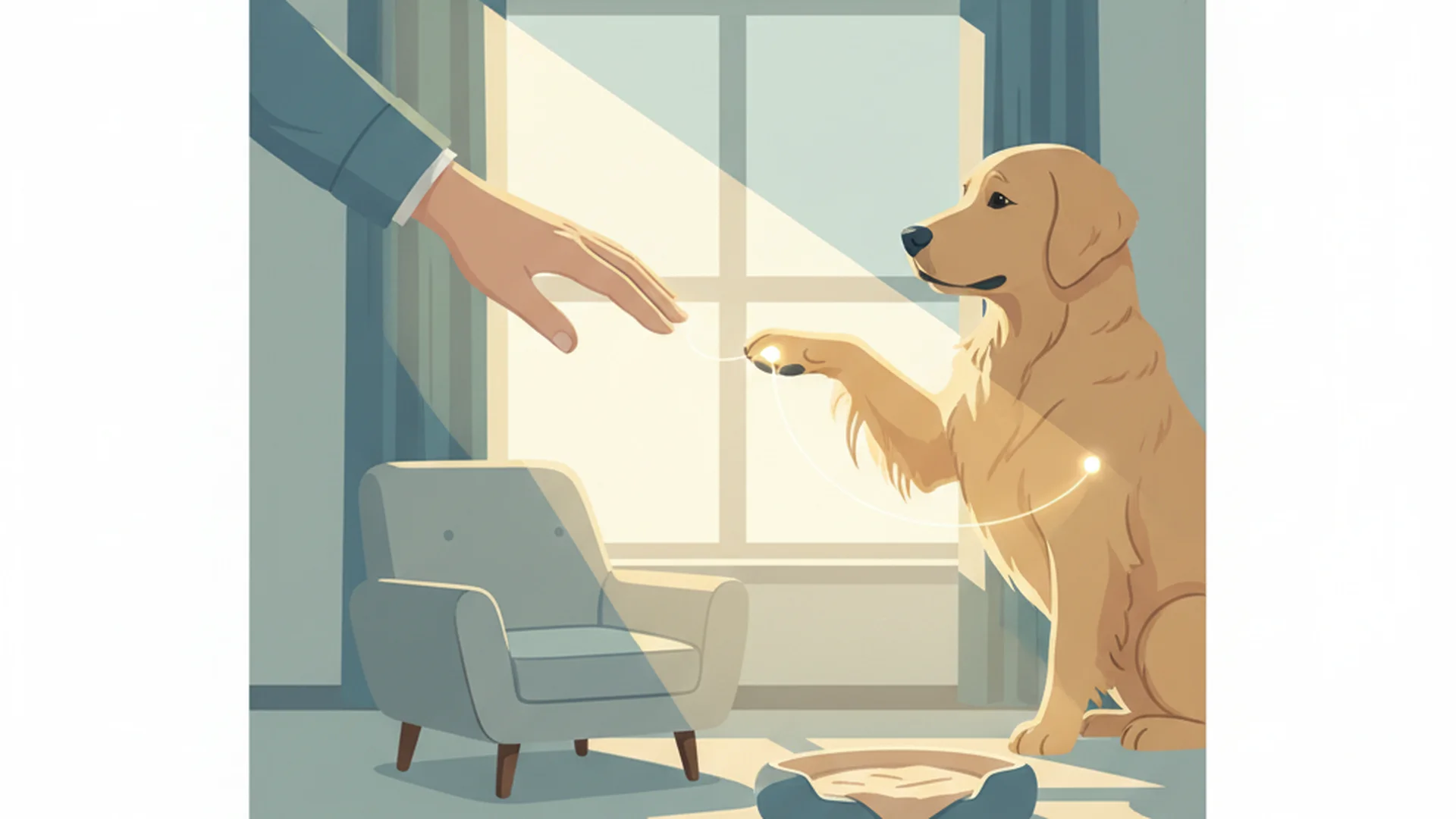
For many of us, our pets are not just companions; they are members of the family. Yet there is often a heartbreaking gap in estate planning. While we meticulously decide who gets the house or the 401k, we frequently overlook the most vulnerable members of our household. Knowing what happens to a pet when owner dies is not just a legal necessity—it is a last act of love. Without a concrete plan, your animal after owner death could face an uncertain future in an overstressed shelter system.
The Harsh Reality of the Planning Gap
There is a striking disconnect in how we care for our animals. A large majority of U.S. households own a pet, yet relatively few owners have included specific instructions for those pets in their estate plans. This lack of preparation can have serious consequences.
A meaningful share of animals entering U.S. shelters are surrendered due to the death of an owner, accounting for many thousands of pets every year. Historically, these "bereavement surrenders" have faced elevated euthanasia rates because they often arrive without medical records, funding, or a designated advocate to find them a new home.
Understanding the Legal Status of Pets
One of the most common misconceptions is the belief that you can leave an inheritance to a dog or cat. Legally, pets are considered "tangible personal property," much like a car or a dining room set. You cannot leave money directly to property.
Why a Will is Often Not Enough
While you can name a new owner for your pet in a will, this document must go through a legal process called probate. Probate can take weeks or even months. During this time, your pet needs food, medication, and emotional support immediately. If your will is the only place your pet is mentioned, they may end up in a municipal shelter while the courts sort out your assets.
The Professional Standard: The "Three-Person Rule"
To ensure your animal after owner death is truly protected, a commonly suggested approach is the "Three-Person Rule." This structure creates a system of checks and balances that ensures the pet’s well-being and the proper use of funds.
- The Caregiver: This person provides the daily home, food, and love. They are the "boots on the ground" for your pet's life.
- The Trustee: This person manages the funds you have set aside. They pay the caregiver and the veterinarian, ensuring that the money is being spent specifically on the pet’s needs.
- The Backup Caregiver: Life is unpredictable. If your primary caregiver moves to a "no pets" apartment or falls ill, the backup ensures your pet never enters the shelter system.
How the Three-Person Rule Works in Practice
Picture an owner of two senior Great Danes. She could name her sister as the Caregiver because the dogs already know and trust her. To keep money decisions separate from day-to-day care — and to head off family tension over the roughly $30,000 set aside for veterinary bills — she could name a neutral party, such as a professional fiduciary or attorney, as the Trustee. Finally, she could name a breed-specific rescue group as the Backup Caregiver, so the dogs would never be split up or end up in a shelter if her sister could no longer care for them. The roles are kept distinct so no single person controls both the pet and the money.
Essential Action Steps for Pet Owners
To avoid the common pitfalls of bereavement-related surrenders, follow these best practices:
1. The Emergency Wallet Card
Carry a "Pet Emergency Wallet Card" at all times. In the event of an accident, first responders will see that you have animals at home and will know exactly who to call to care for them. Complement this with "Rescue Our Pets" window decals for your home.
2. The Detailed Care Letter
Legal documents are for the "who" and "how much," but a Care Letter is for the "how." This non-legal document should include:
- Dietary requirements and brand of food.
- Medical history and current medications.
- Behavioral quirks (e.g., "Afraid of thunder," "Dislikes male dogs").
- Favorite toys and daily routines.
3. Calculating the "Emergency Buffer"
When funding a Pet Trust, budget for the pet’s remaining life expectancy based on their breed. A common suggestion is to add a 20% emergency buffer to cover the rising costs of senior veterinary care.
| Pet Type | Avg. Annual Cost | Suggested Buffer (10 years) | Total Trust Target |
|---|---|---|---|
| Small Dog | $1,500 | $3,000 | $18,000 |
| Large Dog | $2,500 | $5,000 | $30,000 |
| Indoor Cat | $1,200 | $2,400 | $14,400 |
Emerging Trends in 2025 and 2026
Pet care after death is evolving rapidly. There is a growing shift from "ownership" to "guardianship," reflecting the deep emotional bond many people share with their animals.
- Incapacity Planning: A well-drafted pet trust can be written to take effect not only at death but also if you become incapacitated — for example, after a dementia diagnosis or an extended hospitalization. Ask your attorney to include incapacity triggers so your pet is cared for even while you are still living but unable to provide care yourself.
- Pet Guardianship Programs: Some humane societies and rescue organizations offer pre-enrollment "pet survivor" or guardianship programs. In exchange for a planned gift or donation, the organization commits to taking in and rehoming your pet if you die or can no longer care for them. Donation amounts and terms vary widely, so confirm the specifics directly with the organization.
- Documentation and Monitoring: Modern pet trusts often spell out how the caregiver must report on the pet's health and how the trustee can verify the animal is being properly cared for — for example, through periodic veterinary check-ups and written updates.
Understanding Pet Grief
It is a myth that animals do not understand loss. Published behavioral research, including a 2024 study by researchers at Oakland University looking at how cats respond to the loss of a companion animal, indicates that pet grief is a real, observable phenomenon. Even cats, often thought of as solitary, can show significant behavioral changes after the death of an owner or another animal in the household.
Common signs of pet grief include:
- Searching Behavior: The animal may constantly visit the owner’s favorite chair or wait by the door.
- Vocalizing: Increased howling, meowing, or "crying" at night.
- Disrupted Sleep: Sleeping more than usual or becoming restless.
- Reduced Play: A sudden lack of interest in toys or engagement.
Key point: Providing a grieving pet with an item of your clothing that still carries your scent can provide immense comfort during the transition to a new home.
If you are planning your own final arrangements, you might also consider how you want your pet involved in your service, such as having your companion present at a small gathering or featured in a memorial photo.
Common Pitfalls
- The "Informal Agreement" Trap: Relying on a handshake deal. People’s lives change, and an informal promise made five years ago may not be feasible today.
- The "Leona Helmsley" Mistake: Leaving millions of dollars to a pet. Excessive funds often trigger legal challenges from human heirs, which can tie up the pet’s care funds in probate court for years.
- Forgetting "Plan B": Always name a secondary caregiver. If your primary choice is unable to serve, your pet needs a pre-approved safety net.
- Vague Instructions: Phrases like "Take care of my dog" are legally unenforceable. Be specific about the standard of care you expect.
Frequently Asked Questions
Can I leave money directly to my pet?
Do pets actually grieve the loss of an owner?
Who is legally responsible for my pet if I die without a will?
Is a will enough for my pet?
undefined
Planning for your pet's future is a critical component of end-of-life preparedness. By moving beyond informal promises and utilizing modern tools like Pet Trusts and guardianship programs, you can ensure your companion receives the love and care they deserve. If you are also thinking about your own final arrangements, including whether you want your Pet Ashes with Human Ashes in the future, remember that your pet's safety starts with the decisions you make today.
The main thing: Taking just one hour to draft a Care Letter and name a backup caregiver can be the difference between a shelter cage and a loving home for your pet.
Protect Your Furry Family
Use our estate inventory checklist to include instructions for your pet's care.
Open the ChecklistInformational Purposes Only
This article is for informational purposes only and does not constitute legal, medical, or financial advice. Laws, costs, and requirements vary by location and individual circumstances. Always consult a qualified legal, medical, or financial professional for advice specific to your situation.
Written by
Matt Morgan
Founder & Editor
Matt Morgan is the founder and editor of End of Life Tools, where he researches end-of-life topics from primary public sources and writes plain-language guides. General information only — he is not a licensed professional, and this is not professional advice.
View full profile →Put it into action
Found this helpful?
Explore our free-to-use planning tools to put what you learned into action.