Key Takeaways
- QR code memorials bridge the gap between physical markers and digital legacies.
- The market is projected to reach over $55 billion by 2034.
- Choosing dynamic QR codes and high-grade materials is essential for longevity.
As a Final Expense Financial Planner, I often help families navigate the delicate balance between honoring a loved one’s memory and managing the practical costs of a legacy. In recent years, a transformative trend has emerged in the bereavement industry: QR Code Memorials. These small, scannable squares—often referred to as a digital headstone—are changing the way we interact with the departed. No longer restricted to a name and two dates etched in stone, a QR memorial allows families to tell a full, vibrant story that lives on in the digital cloud.
In this guide, we will explore the technology, the costs, and the rapidly evolving trends that are making digital memorials a standard feature of modern funeral planning.
What is a QR Code Memorial?
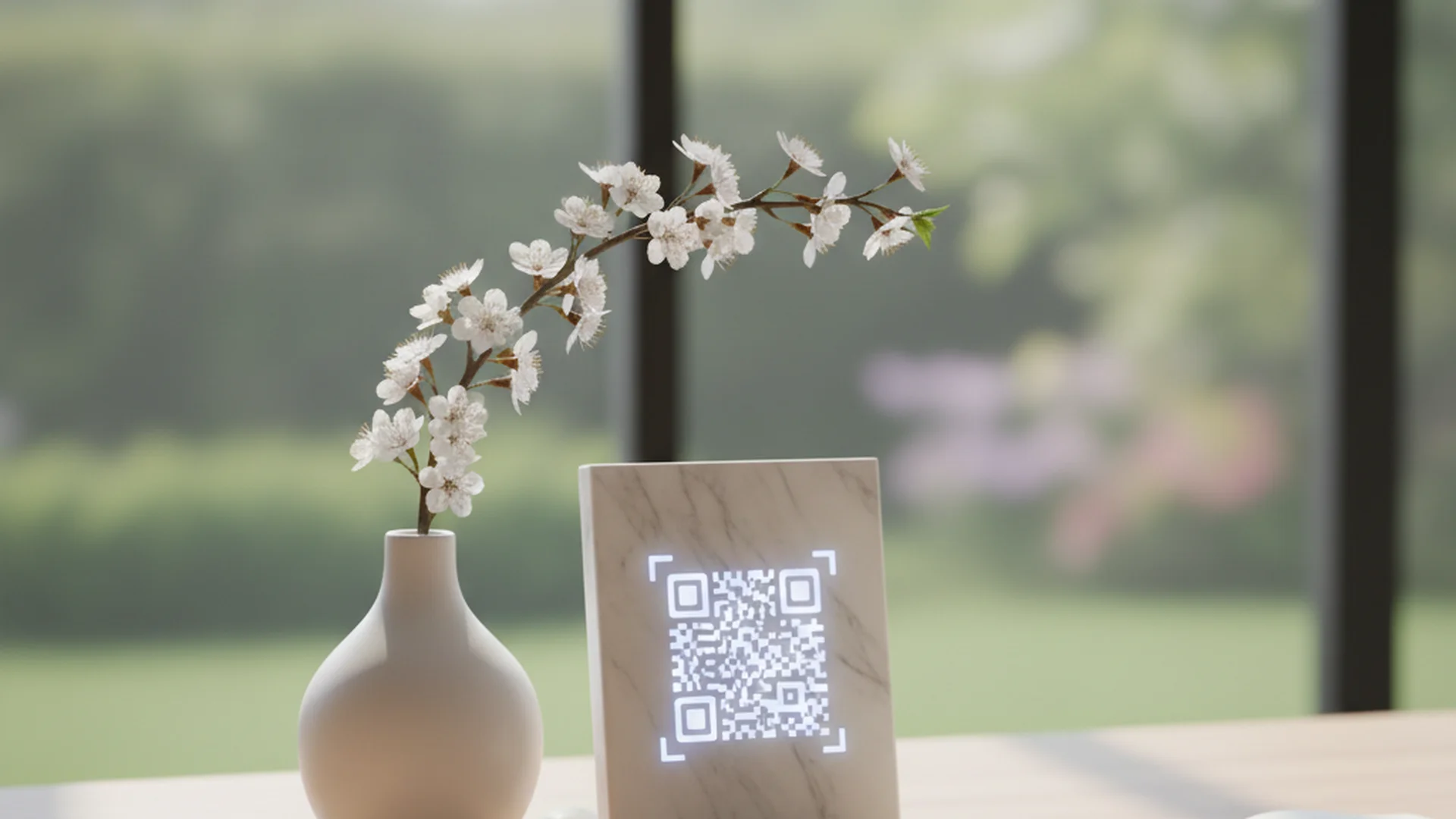
A QR code memorial is a physical plaque or engraving placed on a headstone, urn, or memorial bench. When a visitor scans the code with a smartphone, they are instantly directed to a dedicated digital space—a "living archive"—that can host photos, videos, biographies, and even voice recordings of the deceased.
While traditional headstones are limited by physical space and the high cost of engraving, a digital headstone provides an unlimited canvas. It transforms a static cemetery visit into an interactive experience. As we move into 2026, these tools are becoming more than just a novelty; they are essential components of the digital legacy market, which is currently seeing a 15.61% compound annual growth rate.
The Growth of Digital Legacies
The shift toward digital memorialization isn't just a trend; it's a response to a more tech-savvy population. Industry leaders like Our Tributes have noted a tenfold increase in demand for QR-integrated products since late 2023. By 2026, it is estimated that over 102 million consumers in the U.S. will be active smartphone QR scanners, making this technology highly accessible to almost every cemetery visitor.
Choosing the Right Hardware: Materials and Durability
One of the most common concerns families have is how long the physical code will last. Cemeteries are harsh environments, subject to UV rays, extreme temperatures, and moisture.
Material Selection
When selecting a QR memorial, you should avoid plastic or adhesive stickers, which will degrade within a few years. Experts recommend:
- 316-Grade Stainless Steel: Known for its high corrosion resistance, especially in coastal areas.
- Anodized Aluminum: Provides a sleek look and is highly resistant to UV fading.
- Granite-Embedded Medallions: Some providers offer medallions that are countersunk directly into the stone for a flush, permanent finish.
Error Correction Technology
Modern QR codes use a feature called "error correction." This means that even if the plaque is scratched or up to 30% of the code is damaged by weather, it can still be read by a smartphone. This ensures that the link remains functional for decades.
2025–2026 Trends: AI and Augmented Reality
The field of digital memorialization is entering a "sci-fi" era. In 2025 and 2026, several key innovations are taking center stage:
AI-Enhanced Storytelling
New platforms are now integrating conversational AI. Instead of just reading a biography, visitors can "interact" with a digital version of the deceased. These AI profiles are trained on historical data, letters, and voice recordings provided by the family, allowing the AI to answer questions about the person’s life in their own style.
Augmented Reality (AR)
2026-era memorials are moving beyond the web browser. Using AR, a visitor scanning a QR memorial can see a 3D hologram or a digital photo gallery "floating" over the physical headstone when viewed through their phone camera. This creates a deeply immersive way to view high-resolution media in the context of the burial site.
Legislative Shifts (RUFADAA)
As digital assets become more valuable, legislation is catching up. More states are adopting the Revised Uniform Fiduciary Access to Digital Assets Act (RUFADAA). This law clarifies who has the legal right to manage a digital memorial after the creator passes away, ensuring that these pages aren't lost to "digital limbo" if a hosting company changes hands.
Best Practices for Creating a Digital Headstone
Creating a meaningful digital memorial requires more than just uploading a few photos. To ensure the legacy lasts, follow these expert recommendations:
- Use Dynamic QR Codes: Unlike "static" codes, dynamic codes allow you to change the website URL without changing the physical plaque. If you ever switch hosting providers, you can simply update the link in the backend.
- Assign a "Legacy Contact": Ensure someone is responsible for moderating comments and updating photos. For more on this, see our article on Managing Deceased Social Media.
- Prioritize Privacy: Look for platforms that allow you to password-protect certain sections of the memorial. You may want the biography public but keep the private family videos restricted.
- Include a "Call to Action": A bare QR code can be confusing to older generations. Add a small inscription such as "Scan to see [Name]'s life story" to invite interaction.
| Feature | Standard QR Plaque | Premium AI/AR Memorial |
|---|---|---|
| Cost | $50 - $200 | $600 - $800 |
| Media | Photos & Text | Video, Audio, 3D AR |
| Interaction | Guestbook | Conversational AI |
| Maintenance | Low | Requires Active Hosting |
Common Mistakes to Avoid
When families rush into digital memorialization, they often make avoidable errors that can lead to broken links or a poor user experience.
- Linking to Social Media: Never link a headstone directly to a Facebook or Instagram profile. Social media platforms can change their terms, delete "inactive" accounts, or be hacked, which would render the QR code useless. Use a dedicated Memorial Website Builder instead.
- Poor Media Quality: Scanning a code only to find a blurry, pixelated photo from 2005 is disappointing for visitors. Use high-resolution scans and professionally edited videos where possible.
- Ignoring the "Hosting" Contract: A QR code is only as good as the server it points to. Ensure your provider has a "perpetual care" plan or a clear continuity strategy if they go out of business.
Integrating QR Memorials into Funeral Planning
Many funeral homes now offer digital memorialization as part of their standard packages. As a financial planner, I recommend looking for these services early. If you are comparing options, you might also look into Online Obituary Platforms to see which ones offer the best QR integration.
Additionally, keeping your digital paperwork in order is crucial. Ensure your family has access to the Digital Death Certificate to verify the account ownership with memorial hosting companies.
Frequently Asked Questions
Will the technology still work in 50 years?
Is a QR code on a headstone "creepy" or disrespectful?
Who controls the content on the memorial page?
Do I need permission from the cemetery to add a QR code?
Conclusion
The advent of QR Code Memorials marks a significant milestone in how we handle the "final expense" of our digital lives. By blending the permanence of stone with the depth of digital media, we can ensure that our stories are told in our own words, voices, and images. Whether you are interested in a simple photo gallery or a futuristic AI-driven interaction, the digital headstone is a powerful tool for legacy preservation in 2025 and beyond.
Plan Your Legacy
Ensure your digital story is preserved for future generations.
View Memorial BuildersWritten by Sarah Goldberg
Our team of experts is dedicated to providing compassionate guidance and practical resources for end-of-life planning. We're here to support you with dignity and care.