In modern funeral planning, families are increasingly looking for ways to balance tradition with financial practicality. One effective way to achieve this is through the use of rental caskets. As cremation rates continue to climb past 60% nationally, the demand for a dignified "ceremonial" vessel that doesn't require a permanent purchase has grown significantly.
Renting a casket for a viewing allows a family to present their loved one in a high-quality hardwood or metal casket during the service, while ultimately utilizing a more affordable and eco-friendly container for the actual cremation process. This guide will walk you through the mechanics of the rental system, the true costs involved, and how to ensure you are getting the best value for your memorial service.
Understanding the "Shell and Insert" System
The primary reason many families hesitate to consider rental caskets is a misunderstanding of how they function. Many worry about sanitation or the "used" nature of the item. However, modern rental caskets are engineered as a two-part system to ensure total hygiene and aesthetic integrity.
The Outer Shell
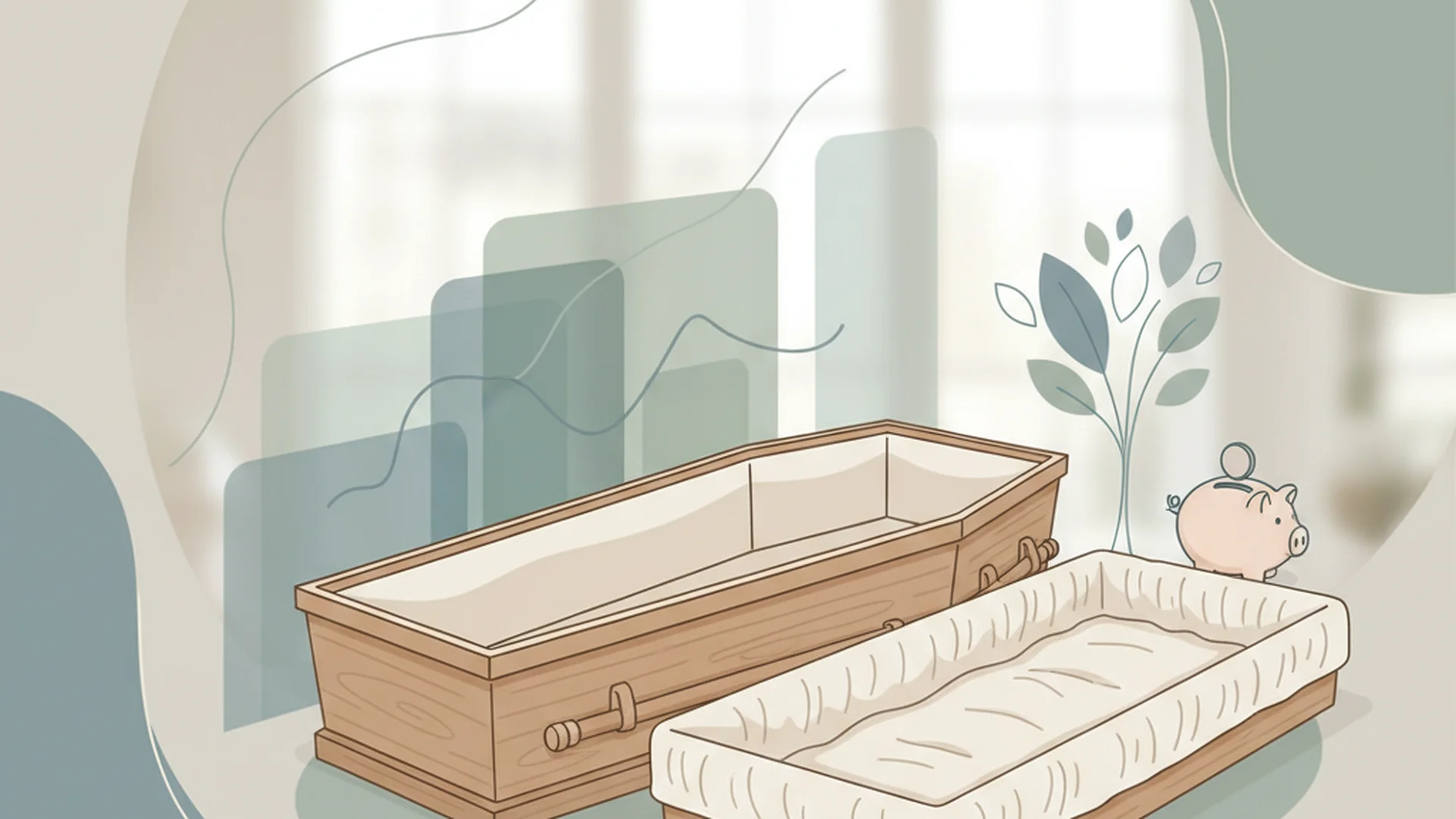
The outer shell is the visible part of the casket. It is typically a high-end model made of solid oak, cherry, or polished steel. This shell is designed with a removable end or a "drop-down" mechanism that allows an internal container to be slid in and out seamlessly. Because the body never actually touches this outer shell, it can be reused multiple times while maintaining a pristine appearance.
The Inner Insert
The deceased is placed inside a brand-new, single-use insert. This insert is usually constructed of reinforced cardboard or light wood and is lined with high-quality fabric, such as crepe or velvet. To the observer, the interior looks identical to a standard purchased casket. After the viewing service concludes, the insert is removed from the shell and remains with the deceased for the cremation process.
Rental Caskets vs. Traditional Purchase: A Cost Comparison
The financial incentive for renting a casket for viewing is significant. In 2025, a mid-range casket for purchase typically starts at $2,000 and can easily exceed $5,000. By contrast, a rental fee covers the high-end appearance at a fraction of the price.
| Item | Traditional Purchase | Rental Casket Service |
|---|---|---|
| Casket/Shell Fee | $2,500 - $5,000 | $750 - $1,500 |
| Internal Insert | Included | $120 - $250 |
| Total Container Cost | $2,500+ | $870 - $1,750 |
| Estimated Savings | - | $1,600 - $3,250 |
While the savings are substantial, it is important to remember that the rental fee is only one part of the funeral bill. When you choose a casket rental, you are still responsible for professional service fees and body preparation.
Common Ways Rental Caskets Are Used (Illustrative Scenarios)
To better understand how this choice fits into different family needs, consider these three hypothetical scenarios:
Scenario 1: The Traditional Cremation
A family might want a traditional church service for a loved one who had explicitly requested cremation. By choosing a solid oak rental shell for the service, guests see a beautiful, traditional casket, while the family can save thousands of dollars by not purchasing a burial casket—funds that could be redirected toward a memorial fund or charitable cause.
Scenario 2: The Eco-Conscious Farewell
A family focused on sustainability might opt for a rental casket with a biodegradable insert. This can allow a standard viewing for relatives who prefer traditional customs, while still adhering to "green" cremation principles by using a biodegradable container for the final process.
Scenario 3: The Hybrid Burial
In some cases, families use a rental for a memorial service held before a "direct burial." The body is viewed in the rental shell, then moved to a simple, low-cost wooden box for interment in a cemetery that doesn't require a high-end casket. You can learn more about sizing and materials in our casket sizing guide.
Detailed Cost Breakdown: What Are You Paying For?
When you receive a quote for a casket rental, it is rarely a single flat fee. To avoid surprises, you should ask for a breakdown of the following line items:
- The Rental Fee ($750 – $1,500): This is the "rent" for the outer shell. It covers the wear and tear, the capital investment of the funeral home, and the cleaning of the shell.
- The Insert ($120 – $250): This is a retail charge for the cardboard or wood container that actually goes into the retort (cremation chamber).
- Facility Use ($300 – $800): This covers the cost of the viewing room and staff to coordinate the visitation.
- The General Professional Services Fee: A standard fee that covers the funeral director’s overhead, licensing, and coordination of the death certificate.
Recent Trends for 2025–2026
The funeral industry is evolving, and rental options are reflecting new consumer preferences.
Eco-Friendly Inserts
Demand for biodegradable inserts has grown noticeably. Families are moving away from standard cardboard toward recycled fiberboard or bamboo liners, which align with the broader interest in eco-friendly funeral options.
Virtual Integration
With the rise of remote mourning, many 2026 viewing packages now include high-definition live-streaming. This allows family members across the globe to participate in the viewing of the casketed deceased, making the aesthetic choice of a rental shell even more important for the digital presentation.
Hybrid Viewing Models
More families are opting for a "viewing-then-cremation" model. This allows for the emotional closure of a traditional service without the long-term maintenance costs of a cemetery plot and vault.
Key point: Choosing a rental casket often allows families to afford a higher-quality look than they could if they were forced to purchase the casket outright.
What Trips Families Up
When opting for a rental casket, avoid these frequent pitfalls:
- Forgetting the Embalming Requirement: Many families choose a rental to save $2,000 but are shocked when the $1,000 embalming fee is added. If you want to avoid embalming, ask about a "private family farewell" using a basic cremation container instead of a full public viewing.
- Assuming Availability: Most funeral homes only keep one or two rental models in stock (typically one wood and one metal). If you have a specific aesthetic in mind, check the inventory early or consult our casket sizing guide to see what styles are generally available.
- Not Clarifying the Insert Cost: Some providers "unbundle" the insert price to make the rental fee look lower on the price list. Always ask for the "all-in" price of the shell plus the insert.
- Believing the Reuse Myth: Some worry that funeral homes "secretly" reuse standard burial caskets. This is a myth. Rental caskets are specifically designed for this purpose, and the process is highly regulated and transparent.
Frequently Asked Questions
Is a rental casket sanitary?
Can I use a rental casket for a burial?
Does the audience know it's a rental?
Is a casket required by law for cremation?
undefined
Rental caskets represent a bridge between traditional funeral values and modern financial sensibilities. By utilizing the "shell and insert" system, families can provide a dignified, high-quality viewing experience while saving thousands of dollars that would otherwise be spent on a vessel intended for cremation.
As you plan, remember to request the General Price List, inquire about the total cost of the insert and embalming, and consider how a rental might allow you to redirect funds toward a more personalized memorial or charitable cause. Whether you are driven by budget, environmental concerns, or the rising trend of cremation, renting a casket is a practical and respectful solution for the 2025 funeral landscape.
What matters: By choosing a rental, you are not "skimping" on a loved one; you are making an informed decision that prioritizes the ceremony and the survivors over a temporary container.
- 1
- 2
- 3
- 4
- 5
- 6
- 7
Informational Purposes Only
This article is for informational purposes only and does not constitute legal, medical, or financial advice. Laws, costs, and requirements vary by location and individual circumstances. Always consult a qualified legal, medical, or financial professional for advice specific to your situation.
Written by
Matt Morgan
Founder & Editor
Matt Morgan is the founder and editor of End of Life Tools, where he researches end-of-life topics from primary public sources and writes plain-language guides. General information only — he is not a licensed professional, and this is not professional advice.
View full profile →Put it into action
Found this helpful?
Explore our free-to-use planning tools to put what you learned into action.