Key Takeaways
- Dental enamel is the hardest substance in the body and often survives initial heat.
- "Ashes" are actually processed bone fragments and teeth minerals.
- Modern cremation relies on intense heat (up to 1,800°F) rather than direct flame.
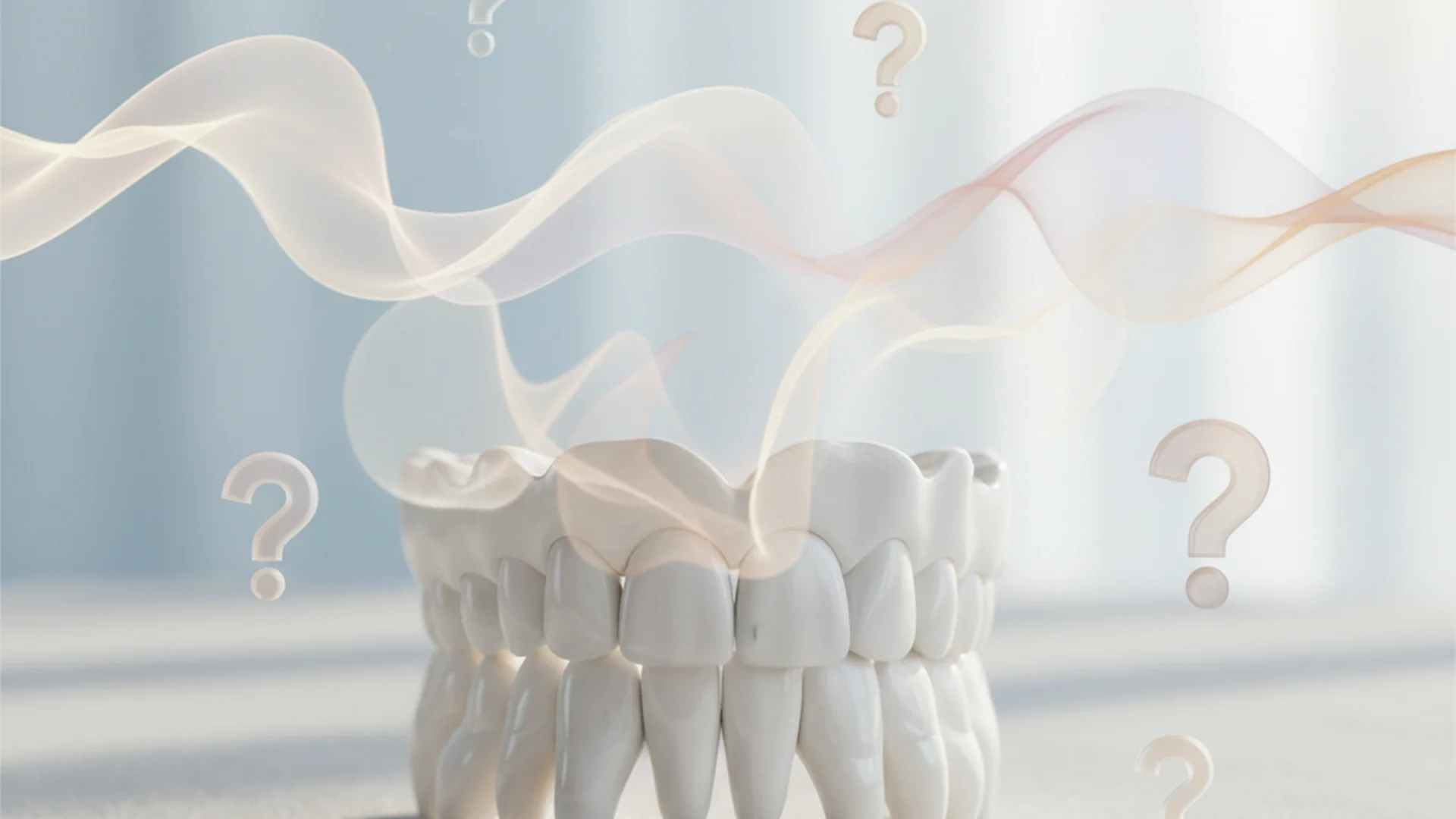
As cremation becomes the preferred choice for final disposition—with U.S. rates projected to exceed 65% by 2025—many families are asking more detailed questions about the process. One of the most common, albeit slightly morbid, inquiries I receive as a funeral director is: Do teeth burn during cremation?
The short answer is: not entirely. While the soft tissues of the mouth and the internal pulp of the tooth vaporize quickly, the outer enamel is incredibly resilient. Understanding what happens inside the cremation chamber can help demystify the process and provide peace of mind during a difficult time.
The Science of Heat and Enamel
To understand why teeth often survive the initial stages of cremation, we have to look at their biological makeup. Dental enamel is the hardest substance in the human body, consisting of approximately 96% minerals (primarily hydroxyapatite).
During the cremation process, a modern retort reaches temperatures between 1,400°F and 1,800°F. While this heat is intense enough to reduce organic matter to its elemental components, it often leaves the dense mineral structures of the skeletal system—and the teeth—behind.
What Happens to the Tooth Structure?
When the body is subjected to these extreme temperatures, the water and organic material within the teeth (the pulp and dentin) vaporize. This can cause the enamel to become very brittle or to fracture due to thermal shock. However, unlike wood which turns to soft ash, the calcium phosphate structure of the teeth remains as a physical fragment.
From Bone Fragments to "Ashes"
A common misconception is that the body enters the chamber and exits as a pile of fine, gray dust. In reality, what remains after the 2-to-5-hour cremation process are bone fragments and teeth.
| Component | Post-Cremation State | Composition |
|---|---|---|
| Soft Tissue | Vaporized | Carbon dioxide and water vapor |
| Bone | Fragments | Calcium Phosphate |
| Teeth | Brittle Fragments | Mineral Enamel |
| Metal Implants | Melted or Intact | Titanium, Steel, or Gold Alloys |
The Role of the Cremulator
After the cooling period (usually 1 to 2 hours), the remains are carefully inspected. To achieve the sand-like consistency that families recognize as "ashes," the funeral professional uses a machine called a cremulator. This is a high-speed processor that grinds the brittle bone and teeth fragments into a uniform powder.
Gold Teeth and Dental Work
What happens if the deceased had gold fillings, crowns, or bridges? This is a frequent point of confusion for many families.
- Melting Point: Dental gold is rarely pure; it is usually a 16-karat alloy. At 1,800°F, these metals melt.
- The "Binding" Effect: As the gold melts, it often flows and binds to the surrounding bone fragments or the floor of the retort.
- Recovery: It is a myth that crematories "harvest" gold for profit. Most modern facilities use magnets to remove ferrous metals (like surgical steel), but gold is non-ferrous. Any remaining dental gold is typically processed right along with the bone fragments.
2025–2026 Trends in Cremation Technology
The funeral industry is evolving rapidly, with a focus on both environmental impact and memorialization.
The Rise of Aquamation
For those concerned about the "burning" aspect of traditional cremation, Alkaline Hydrolysis (or water cremation) is a growing alternative. Legal in over 30 states as of 2025, this process uses water and alkali to accelerate natural decomposition. It leaves behind 20-30% more bone and tooth remains than flame cremation and is significantly more eco-friendly. Learn more in our Aquamation Complete FAQ (Answers to Common Questions).
DNA Keepsakes
Because the heat of the retort destroys genetic material, a major trend in 2025 involves pre-cremation DNA collection. Many funeral homes now offer kits to preserve a loved one's genetic legacy before the cremation takes place, allowing future generations to access family medical history or ancestry data.
Energy-Efficient Retorts
The newest 2026 models of cremation chambers utilize automated sensors. These adjust the airflow and heat based on the body's mass, reducing the carbon footprint and ensuring a more efficient reduction of the remains, including the dense tooth enamel.
Common Mistakes to Avoid
When preparing for a cremation, families often overlook small details that can affect the process or safety.
- Forgetting to Remove Pacemakers: This is a critical safety issue. Battery-operated implants can explode in the heat, damaging the retort and risking the safety of the staff.
- Assuming All "Ashes" are the Same: The weight of the remains (typically 3 to 9 pounds) is determined by bone density and height, not the person's weight before death.
- Misunderstanding "Fire": Many people believe the body is "set on fire." In modern cremation, it is the intense heat and high-velocity airflow that causes the reduction, not necessarily a direct flame.
Frequently Asked Questions
Do teeth explode during cremation?
Can I get the teeth back before the process starts?
Is there anything left of the teeth after cremation?
What happens to orthopedic implants like titanium hips?
Conclusion
The question "do teeth burn during cremation" reveals a lot about how we view the transition from physical body to memorial remains. While the heat is powerful enough to vaporize organic matter, the mineral-rich enamel of our teeth is a testament to the durability of the human frame.
If you are currently pre-planning or navigating a recent loss, understanding these technical details can help you make informed decisions about everything from Body Donation Complete FAQ (Answers to Common Questions) to choosing between flame and water-based options.
Looking for more guidance?
Browse our full library of funeral planning resources to find the right path for your family.
View All FAQsWritten by Julian Rivera
Our team of experts is dedicated to providing compassionate guidance and practical resources for end-of-life planning. We're here to support you with dignity and care.