Key Takeaways
- Tree burials offer a sustainable, cost-effective alternative to traditional funerals.
- Neutralizing the pH of cremains is essential for the survival of a memorial tree.
- Professional care and native species selection significantly increase tree survival rates.
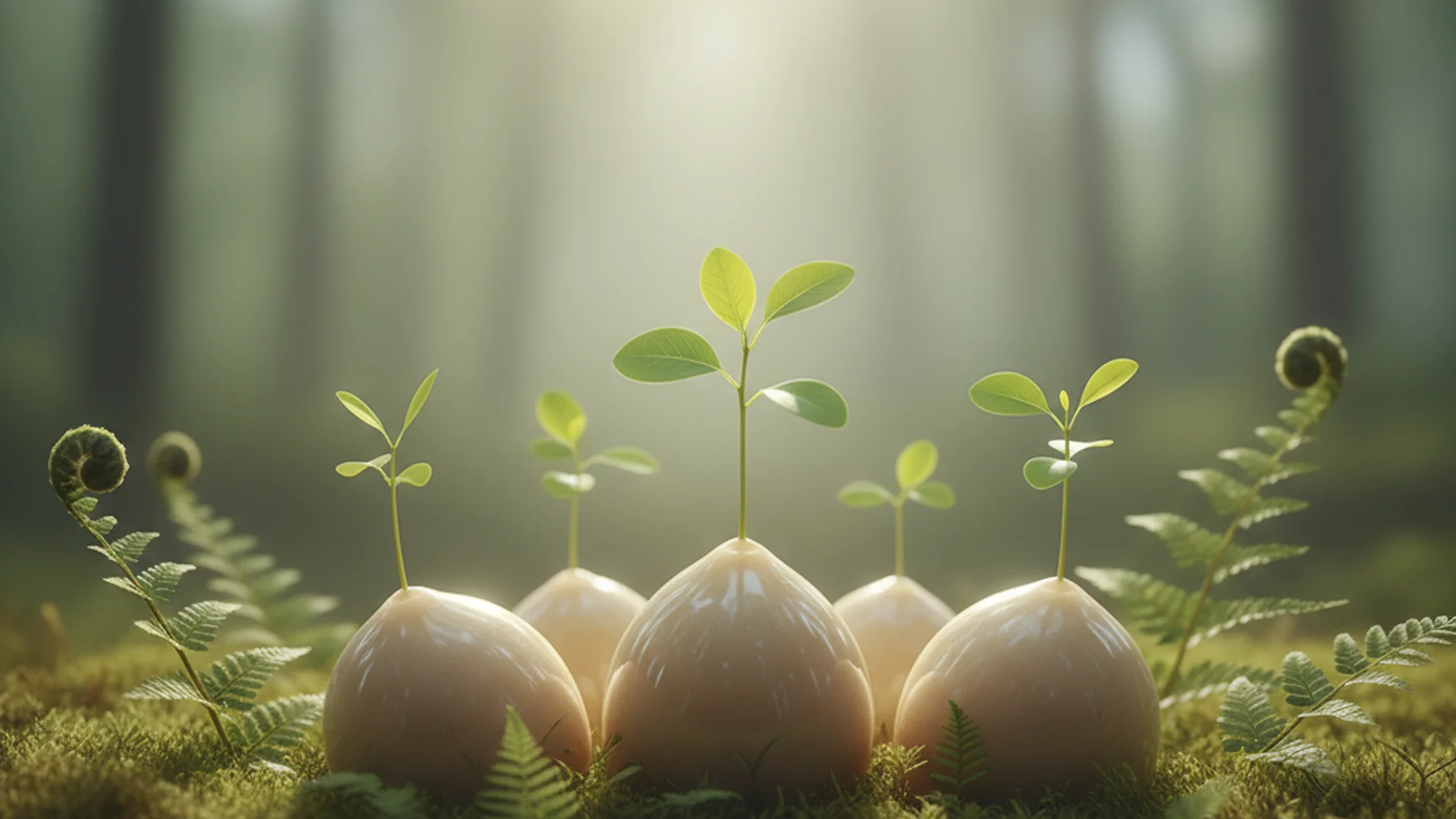
The landscape of the funeral industry is shifting from "cold stone" monuments to "living leaves." As we move into late 2025, more families than ever are looking for ways to return to the earth in a meaningful, eco-friendly way. Tree burial has emerged as a frontrunner in this movement, offering a way to transform the end of life into a new beginning. Whether you are exploring a tree pod burial for a loved one or pre-planning your own green legacy, understanding the logistics, biology, and technology behind these options is vital.
The Rise of Green Burial in 2025
The green burial industry is no longer a niche market; it is projected to reach a $2 billion valuation by the end of 2025. According to the National Funeral Directors Association, over 60% of Americans express interest in green options, driven by both environmental concerns and the rising costs of traditional burials.
While a traditional US funeral can easily cost between $8,000 and $12,000, a cremation-based tree burial typically ranges from $1,000 to $4,000. This makes it not only a more sustainable choice but a more accessible one for many families.
Understanding Tree Pods and Urns
When people talk about "tree pods," they are usually referring to one of two things: a biodegradable urn for cremated remains or a conceptual "body pod" for whole-body burial.
The Bios Urn Tree System
The Bios Urn tree system is one of the most popular options globally. It consists of a biodegradable urn split into two capsules. The lower capsule holds the ashes, while the upper capsule contains a specialized growth medium and the seed or sapling. As the urn biodegrades, the roots grow through the ashes and into the surrounding soil.
The Living Urn
Similar to the Bios Urn, The Living Urn provides a system designed to ensure the tree’s survival. It often includes "soil additives" that are critical for neutralizing the chemical makeup of human remains.
The Capsula Mundi Reality
You may have seen viral videos of the "Capsula Mundi" body-sized egg pod. It is important to note that as of 2025, the full-body version of this pod remains largely in the prototype and startup phase. It is not yet widely available for purchase or use in most cemeteries. Currently, the cremation-sized urns are the primary way to utilize this specific design.
| Option | Format | Availability | Primary Benefit |
|---|---|---|---|
| Bios Urn | Cremation Urn | High | Worldwide shipping, easy to use |
| The Living Urn | Cremation Urn | High | Includes specialized soil additives |
| Capsula Mundi | Urn/Body Pod | Urn only | Unique aesthetic, artistic design |
The Biological Reality: Can Trees Grow in Ashes?
A common misconception is that human ashes are "fertilizer." In reality, human cremains are highly alkaline, with a pH level similar to bleach. If you place raw ashes directly against a young tree's roots, they can be toxic and may kill the sapling.
To ensure your memorial thrives, you must use a neutralizing agent. Companies like Bios Urn and The Living Urn include these agents in their kits. These additives balance the pH levels and introduce beneficial bacteria that help the tree roots integrate with the remains over time.
The Timeline: What to Expect
A tree burial is a slow, beautiful process. It is not an overnight transformation. Here is the typical timeline for a tree pod burial:
Month 1: The Planting
During the first month, the biodegradable pod begins to soften as it absorbs moisture from the soil. If you have used a sapling rather than a seed, you will see the tree begin to acclimate to its new environment.
Year 1: Root Establishment
The first year is the most critical. Roughly 18% of new saplings die within their first year. Constant monitoring of water levels is essential during this phase. The roots will begin to reach the area where the ashes are stored, but they won't fully "consume" them yet.
Years 2–5: Integration
By year five, the pod has usually completely dissolved. The nutrients from the remains begin to be integrated into the tree's cellular structure. This process is gradual and can take up to 20 years to complete depending on soil moisture and the materials used.
Best Practices for a Successful Tree Burial
Selecting a tree is more than just an aesthetic choice; it is a biological one. To ensure your legacy lives on, follow these expert recommendations.
1. Select Native Species
Always choose a tree species that is native to your region. Native trees are already acclimated to the local soil, climate, and pests. Using a non-native species increases the risk of the tree failing by year five, a statistic that currently sits at 44% for poorly planned memorials.
2. Use Semi-Mature Saplings
While the symbolism of a seed is powerful, seeds have a much lower success rate. Experts recommend using saplings that are between 1.5 to 4 feet tall. These trees have established root systems and are much heartier than a germinating seed.
3. Time Your Planting
Avoid the extreme heat of summer or the deep freeze of winter. The "Goldilocks" zone for tree planting is late spring or early fall. This allows the roots to establish themselves without the stress of extreme temperatures.
Legal and Zoning Considerations
Is tree pod burial legal? The answer depends on the form of the remains.
- Cremation-based burial: This is legal across the entire United States and most of Europe and Australia. Most states allow the scattering or burial of ashes on private property, though it is always wise to check local zoning laws.
- Whole-body burial: This is much more restricted. Natural or "green" burial of a body usually requires a certified green burial ground. You cannot simply bury a body in your backyard in most jurisdictions.
Common Mistakes to Avoid
Even with the best intentions, many tree burials fail due to simple errors.
- Planting too deep: Most tree roots live in the top 12 inches of soil where oxygen is plentiful. If you bury a pod at the traditional 6-foot depth, the tree roots will never reach the nutrients, and the pod may not biodegrade properly due to a lack of microbial activity.
- Non-biodegradable clothing: If you are opting for a green burial, the deceased must be dressed in 100% natural fibers like silk, cotton, or wool. Synthetic materials like polyester will remain in the soil forever, defeating the eco-friendly purpose.
- Neglecting the "Aftercare": Many people treat a tree burial as a "set it and forget it" event. In reality, memorial trees require the same care as any other new tree, including watering, mulching, and protection from local wildlife.
Recent Trends: Tech and Innovation
As we look toward 2026, technology is beginning to merge with nature in the memorial space.
WiFi-Enabled Memorials
For urban dwellers who may not have access to a forest, devices like the Bios Incube have become popular. This is a "smart" planter that monitors the water, temperature, and light levels of your memorial tree, sending alerts to an app on your smartphone. It ensures the tree thrives even in an apartment setting.
International Shifts
In early 2025, countries like South Korea officially institutionalized "scattering burials" near trees and water to address severe urban space shortages. This global shift is helping to normalize tree burial as a primary funeral choice rather than an alternative one.
Frequently Asked Questions
Is tree burial legal?
What happens if the memorial tree dies?
Can I do this in my backyard?
Do I have to be cremated first?
How much does a tree burial cost?
Conclusion: A Legacy That Breathes
Choosing a tree burial is a profound statement of one's relationship with the Earth. It moves the focus of a funeral from a static end-point to a dynamic, growing future. By following biological best practices—such as neutralizing pH levels and selecting native saplings—you ensure that your "living memorial" will stand as a testament for generations to come.
For more information on planning a green legacy, you may find our Complete Guide to Cremation Memorials: Tools, Checklists, and Essential Guides helpful. If you are comparing different site options, consider reading about the differences in a Cremation Plot vs Burial Plot (Differences, Typical Costs, and How to Choose).
Start Planning Your Legacy
Learn more about eco-friendly memorial options and pre-planning today.
View Memorial GuideWritten by Julian Rivera
Our team of experts is dedicated to providing compassionate guidance and practical resources for end-of-life planning. We're here to support you with dignity and care.