Key Takeaways
- The CWGC maintains 1.7 million memorials globally, including 160,000 headstones in the UK.
- UK war graves are found in over 13,000 locations, from major cemeteries to local churchyards.
- New digital tools and the Non-Commemoration Programme are modernizing how we remember the fallen.
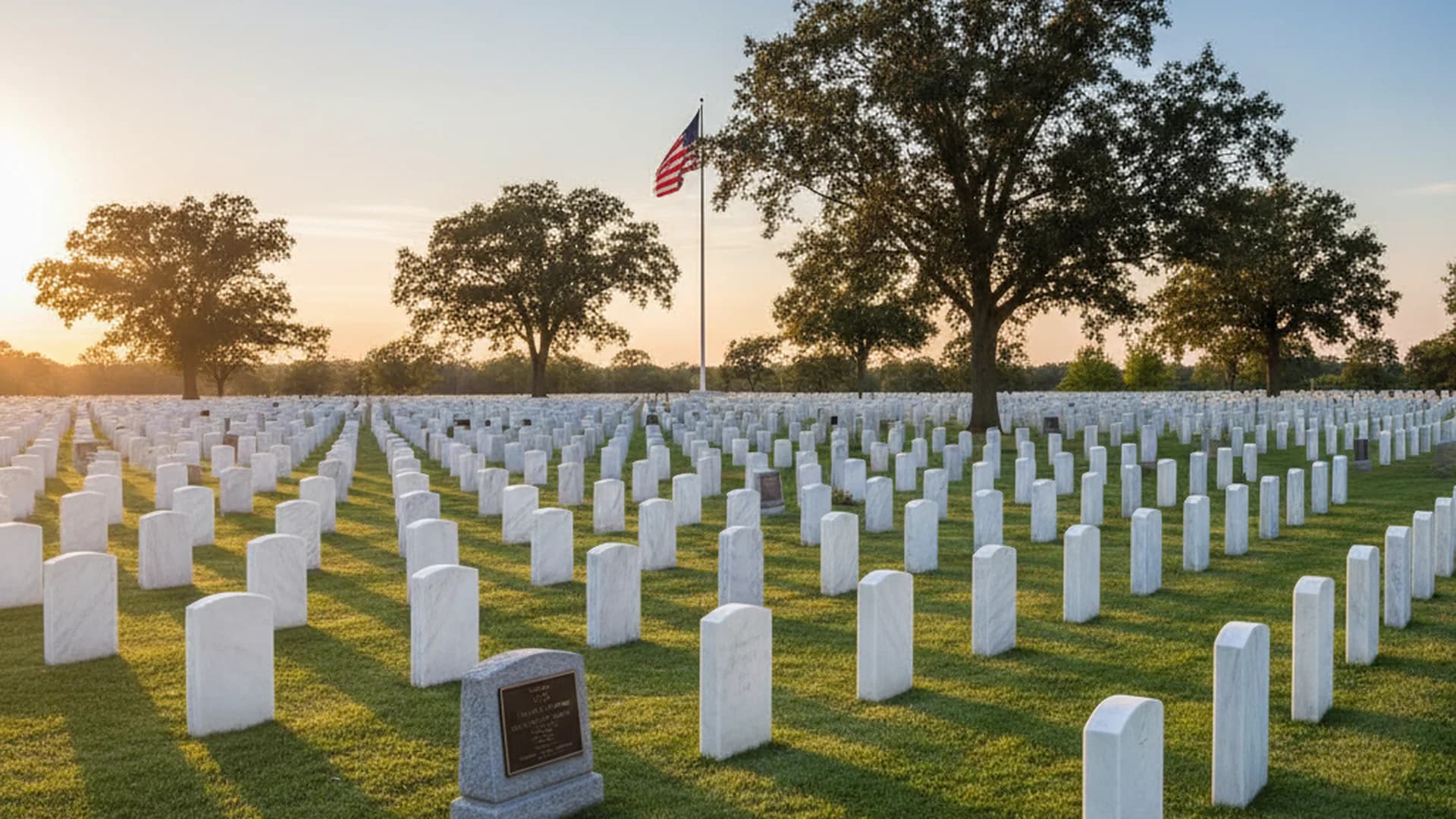
For many, the image of a war grave is a vast, uniform field of white headstones in France or Belgium. However, as an end-of-life consultant, I often remind families that remembrance is closer to home than they realize. Thousands of UK war graves are nestled within our local village churchyards, city cemeteries, and coastal burial grounds. These sites are maintained by the Commonwealth War Graves Commission (CWGC), an organization dedicated to ensuring that those who died in the World Wars are never forgotten.
Understanding the work of the CWGC—formerly known as the Imperial War Graves Commission—is essential for veterans' families, genealogists, and anyone interested in British military history. Whether you are searching for a relative or visiting a local site, this guide explores the history, protocols, and current initiatives of the military graves commission.
What is the Commonwealth War Graves Commission (CWGC)?
The CWGC is an intergovernmental organization established by Royal Charter in 1917. Its primary mandate is to mark and maintain the graves of members of the forces of Commonwealth nations who died during the two World Wars. Unlike many other national burial authorities, the CWGC operates under the principle of "equality of treatment," meaning that every service member is commemorated by name on a headstone or memorial, regardless of rank, race, or religion.
While the Commission operates globally, its presence in the British Isles is staggering. There are approximately 160,000 CWGC headstones in the UK, but the total number of individuals commemorated exceeds 300,000. This discrepancy is due to the "Memorials to the Missing," which honor those with no known grave.
Funding and International Cooperation
The CWGC is funded by six member governments, with costs shared based on the number of their graves. As of 2025, the United Kingdom provides 78.4% of the funding, followed by Canada (10%), Australia (6%), New Zealand (2.1%), South Africa (2.1%), and India (1.2%). This collective effort ensures that the highest standards of horticulture and structural maintenance are met across 23,000 sites worldwide.
Identifying and Locating UK War Graves
One of the most common misconceptions is that all UK war graves look identical. While the iconic white Portland stone headstone with its rounded top is the standard, the reality in the UK is more complex.
The Two Types of Burial Sites
In the UK, war casualties are generally found in two types of settings:
- Dedicated Military Cemeteries: Sites like Brookwood Military Cemetery in Surrey, the largest CWGC site in the UK, contain thousands of graves organized in beautiful, orderly rows.
- Scattered Graves in Local Churchyards: Over 12,000 local cemeteries and churchyards contain "scattered" war graves. These may be individual plots where a soldier was returned home after dying of wounds in a UK hospital, or where a local family chose to bury their loved one in a private family plot.
Eligibility for Commemoration
To qualify for a CWGC grave or memorial entry, a service member must have died during the designated war periods:
- World War I: 4 August 1914 to 31 August 1921.
- World War II: 3 September 1939 to 31 December 1947.
Personnel who died after discharge may still qualify if their death was directly attributable to their service. If you are navigating the complexities of veteran benefits or eligibility, you may find our Veteran Funeral Benefits Complete Guide helpful for understanding modern provisions.
How to Research a Casualty
If you are looking for a specific individual, the CWGC "Find War Dead" database is the gold standard. However, many users miss the most valuable information by stopping at the summary page.
Using the Archives Tab
When you find a record, look for the "Archives" or "Documents" tab. These digital scans often include original Grave Registration Reports and Headstone Schedules.
- Grave Registration Reports: These handwritten documents often show the soldier’s original burial location before being concentrated into a permanent cemetery.
- Headstone Schedules: These contain the specific inscription chosen by the family (often at the bottom of the stone), which provides a personal glimpse into the family's grief at the time.
Visiting Protocols and Best Practices
Visiting a war cemetery is a profound experience. To maintain the dignity of these sites and protect the delicate horticulture, the CWGC suggests several protocols.
Entrance and Architecture
Most large CWGC sites are designed with a specific sequence of remembrance. You should always enter through the main gate. Look for the Register Box, usually found near the entrance, which contains a printed cemetery register and often a visitor book. Many sites also feature a Cross of Sacrifice, a stone cross with a bronze sword, signifying the site contains more than 40 war graves.
Respecting the Horticulture
The flowers planted in front of headstones are not just for decoration; they are a vital part of the "English Garden" aesthetic designed by the Commission’s original architects.
- Avoid stepping on borders: Do not step on the flower borders immediately in front of the headstones. This protects the root systems and prevents soil compaction, which can cause headstones to lean over time.
- Biodegradable Tributes Only: If you wish to leave a tribute, stick to fresh flowers. Plastic statues, fixed vases, or non-biodegradable items are typically removed by the gardening staff as they can damage maintenance equipment and the stones themselves.
Recent Trends and Updates (2025–2026)
The CWGC is not a static organization. In 2025 and 2026, several major initiatives are shaping how we interact with UK war graves.
The Non-Commemoration Programme (NCP)
One of the most significant shifts in the CWGC's history is the Non-Commemoration Programme. This initiative addresses historical inequalities where personnel from Africa, India, and the Middle East were not commemorated by name due to colonial-era biases. By its formal endpoint in 2026, the programme has already identified over 11,600 previously uncommemorated individuals, ensuring they finally receive the recognition they deserve.
Digital Integration and AR
To engage younger generations, the Commission has expanded the use of the Memory Anchor app. At major sites like Oxford Botley and Brookwood, visitors can use augmented reality (AR) to see photos and read the stories of the people buried beneath the headstones. This bridges the gap between a name on a stone and the human life it represents.
Protection Against Grave Reuse
In January 2025, a legal clarification in the UK ensured that new proposals for "grave reuse" in overcrowded cemeteries will not apply to CWGC graves. This ensures that the resting places of the fallen remain undisturbed in perpetuity.
| Milestone | Date | Significance |
|---|---|---|
| VE Day 80th Anniversary | May 8, 2025 | National commemorations for the end of WWII in Europe. |
| VJ Day 80th Anniversary | August 15, 2025 | Focus on the high number of "home" deaths in 1945. |
| War Graves Week | May 16–24, 2026 | Nationwide "Open Days" and tours of UK sites. |
Common Mistakes to Avoid
When interacting with the military graves commission or visiting sites, avoid these common pitfalls:
- Confusing the CWGC with local war memorials: The stone obelisks in town squares are usually maintained by local councils or charities, not the CWGC. The CWGC is responsible for individual graves and official "Memorials to the Missing."
- Assuming all graves are "empty": There is a persistent myth that these cemeteries are just memorial parks. In reality, the presence of a headstone (unless marked as a "Special Memorial") indicates that the individual is interred directly beneath or very nearby.
- Believing the CWGC only cares for the British: In many UK cemeteries, you will find graves of Polish, Czech, German, and Italian service members. The CWGC maintains these under international treaties and the same standards of care.
- Reporting "damaged" stones that are actually private: If a casualty is buried in a private family grave, the CWGC is responsible for the legibility of the name, but the family (or cemetery owner) is often responsible for the overall structure of the monument.
Frequently Asked Questions
Who is eligible for a CWGC grave?
Does the CWGC use DNA to identify 'Unknown' soldiers?
Can I visit war graves in local churchyards?
Why do some headstones have different symbols?
Conclusion
The UK war graves scattered across our landscape serve as permanent reminders of the cost of conflict. Through the dedicated work of the CWGC, these sites remain pristine, ensuring that the promise made over a century ago—that their names shall live for evermore—is kept. Whether you are conducting family research or simply taking a moment of reflection in a local churchyard, these graves offer a unique connection to our shared history.
As we approach the major 80th anniversaries in 2025 and War Graves Week in 2026, there has never been a better time to discover the stories behind the stones in your own community.
Explore Veteran Benefits
Learn more about the honors and support available for those who served.
View the Complete GuideWritten by Amara Okafor
Our team of experts is dedicated to providing compassionate guidance and practical resources for end-of-life planning. We're here to support you with dignity and care.