Key Takeaways
- Urn bracelets are designed for symbolic amounts of remains, usually less than 1 cubic inch.
- 316L Stainless Steel is the top recommendation for durable, daily-wear memorial jewelry.
- Modern trends for 2025 include NFC-enabled bracelets and sustainable, eco-friendly materials.
Losing a loved one is one of life’s most difficult transitions, and the way we choose to remember them is evolving. While traditional urns remains a staple, more people are looking for "active" memorialization—ways to carry a piece of their loved one throughout their daily lives. An urn bracelet offers a discreet, stylish, and deeply personal way to maintain that connection. As cremation rates in the United States are projected to hit 63.4% by 2025, the demand for high-quality, wearable memorials has never been higher.
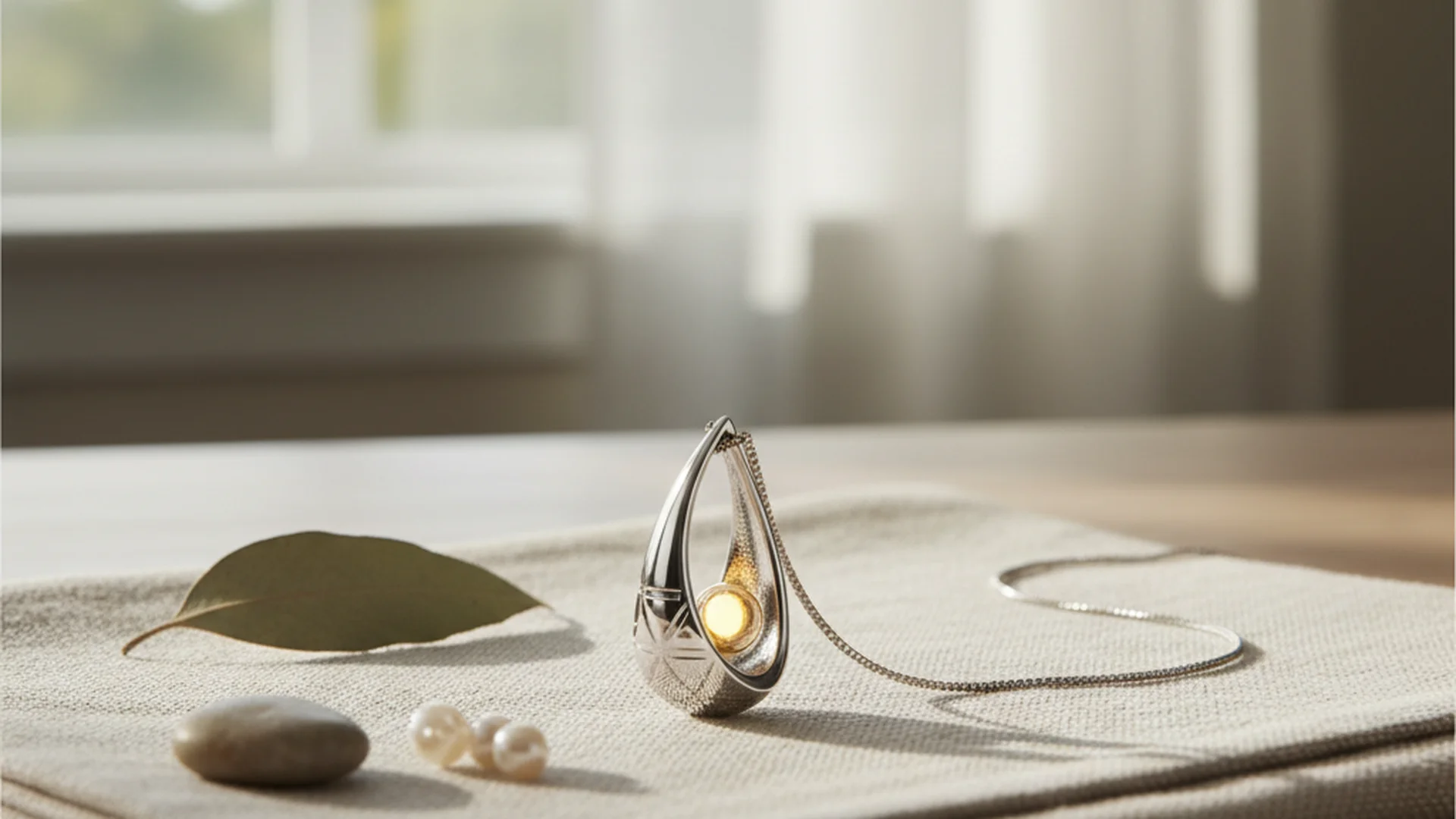
Whether you are looking for a sleek cremation bracelet made of industrial steel or a delicate ashes bracelet featuring precious gemstones, the options available in 2025 and 2026 cater to every style and budget. This guide will help you navigate the various materials, technology, and best practices for choosing a memorial piece that lasts a lifetime.
Understanding Urn Bracelet Capacity and Purpose
Before purchasing an urn bracelet, it is essential to understand its scale. Unlike a full-sized urn or even a medium-sized keepsake urn, a bracelet is designed to hold a "nominal" or symbolic amount of remains.
Typically, the internal chamber of an urn bracelet holds less than one cubic inch of material—roughly a small pinch of ashes. This makes the jewelry a companion to a primary memorial rather than a replacement for it. Because the space is limited, many families choose to distribute a portion of the ashes into several pieces of jewelry, such as Cremation Ring Options or Urn Necklace Options, so multiple family members can share the connection.
Material and Price Tiers for 2025
The market for cremation jewelry has expanded significantly, offering everything from budget-friendly durables to high-end luxury items. When selecting a material, consider how often you plan to wear the piece.
| Tier | Price Range | Common Materials | Best For |
|---|---|---|---|
| Budget | $20 – $100 | 316L Stainless Steel, Cord, Leather | Daily wear, active lifestyles, durability. |
| Mid-Range | $100 – $400 | Sterling Silver, Glass-infused, Braided Leather | Special occasions, artistic expression. |
| Luxury | $500 – $2,000+ | 14K/18K Solid Gold, Platinum | Heirloom quality, long-term investment. |
| Cremation Diamonds | $1,000 – $15,000+ | Lab-grown Carbon Diamonds | Ultimate personalized memorial. |
Why 316L Stainless Steel is the Gold Standard
For those who want to wear their urn bracelet every day, experts almost universally recommend 316L Stainless Steel. This medical-grade metal is hypoallergenic, resistant to tarnishing, and incredibly difficult to scratch. Unlike sterling silver, which can oxidize and turn black over time, stainless steel maintains its luster with very little maintenance.
How to Fill Your Urn Bracelet Safely
Filling a piece of cremation jewelry can be an emotional process. Most bracelets come with a "filling kit," which includes a miniature funnel, a small scoop, and a thin pin to help guide the remains into the chamber.
Step-by-Step Filling Process
- Prepare the Workspace: Always work over a flat, well-lit surface. Place a sheet of white paper or a shallow tray underneath the jewelry so any stray ashes can be easily recovered.
- Open the Chamber: Locate the discreet threaded screw. This is often found on the back of a charm, at the end of a metal bar, or hidden within the clasp.
- The 90% Rule: Use the funnel to add the remains slowly. Warning: Never fill the chamber to the brim. Experts recommend filling to only 80-90% capacity. This ensures the screw can sit flush without stripping the threads.
- Seal the Threads: While the screw provides a mechanical seal, for a "life-proof" finish, apply a tiny drop of jewelry-grade adhesive (like Lock-Tite) to the threads before the final tightening.
Modern Trends in Memorial Jewelry (2025–2026)
As younger generations like Millennials and Gen Z begin to navigate grief, the aesthetics of memorialization are shifting. The "traditional" look of urn jewelry is being replaced by more contemporary, functional designs.
Gender-Neutral and Industrial Styles
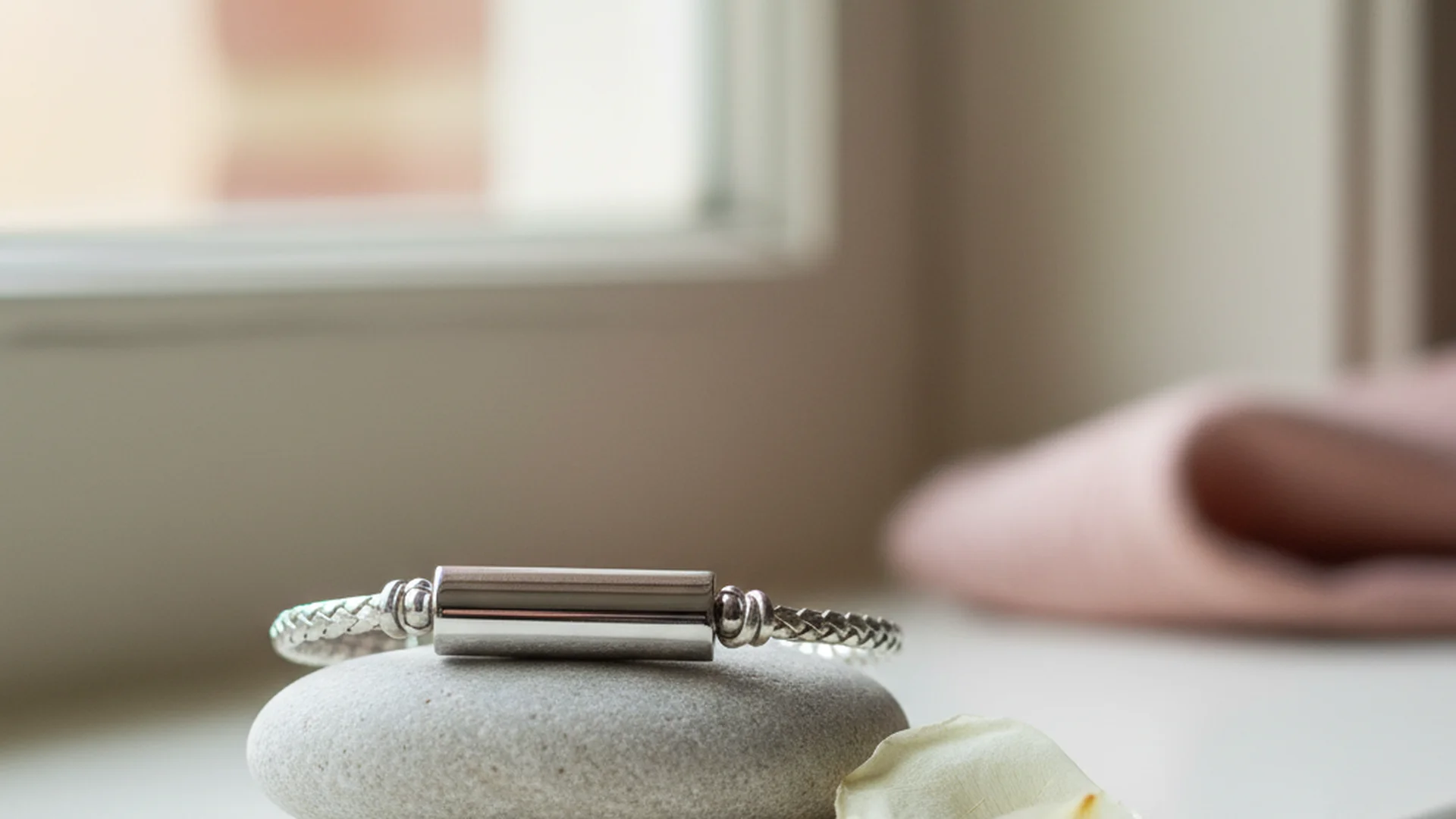
Moving away from strictly feminine heart charms, 2025 has seen a massive rise in unisex designs. This includes heavy Cuban link chains, industrial-style cuffs, and rugged leather wraps. These designs allow the wearer to keep their memorial private, as the ash chamber is often hidden within the structure of the bracelet itself.
Interactive "Memory" Tech
One of the most innovative shifts is the inclusion of discreet NFC (Near Field Communication) chips. A high-end urn bracelet may now contain a chip that, when tapped with a smartphone, automatically opens a digital "Memory Wall." This allows the wearer to instantly view photos, videos, or a digital obituary of their loved one.
Sustainable and "Green" Options
Reflecting a broader cultural shift toward sustainability, many manufacturers now offer bracelets made from recycled ocean plastics or ethically sourced wood. These pieces often feature a hidden, removable metal capsule to hold the ashes, combining eco-consciousness with the permanence of metal.
Real-World Examples of Memorial Bracelets
To better understand how these pieces fit into daily life, consider these three common scenarios:
- The Active Commemorator: James lost his father, an avid outdoorsman. He chose a 316L stainless steel industrial cuff. Because it is scratch-resistant and sweat-proof, James can wear it while hiking and working, keeping his father’s memory part of his active lifestyle.
- The Tech-Savvy Mourner: Elena chose an NFC-enabled leather wrap after her sister passed away. When she feels a wave of grief at work, she can tap her phone to the bracelet and immediately see a gallery of their favorite vacation photos, providing instant comfort.
- The Pet Parent: After her golden retriever passed, Sarah opted for a braided leather bracelet with a small, bone-shaped silver charm. This allows her to keep a small lock of fur with her at all times, matching the quality of human memorial jewelry.
Common Mistakes to Avoid
When investing in an ashes bracelet, it is easy to make assumptions about durability that could lead to the loss of the remains.
The "Waterproof" Myth
Many people believe their urn bracelet is 100% waterproof because it has a screw-top. In reality, most are only water-resistant. Over time, the rubber O-rings or adhesives can degrade.
Overfilling and Stripping Threads
The most common cause of a lost cap is overfilling. If you force the screw down over too much material, you risk "stripping" the tiny, delicate threads. Once stripped, the cap may feel tight but can vibrate loose over time and fall off.
Using Harsh Chemicals
Cleaning your bracelet with silver dips or harsh household chemicals can be disastrous. These chemicals can eat away at the sealant or the gaskets that keep the internal chamber dry. Stick to a simple microfiber cloth and, if necessary, a tiny amount of mild dish soap and warm water.
Frequently Asked Questions
Can I put things other than ashes in the bracelet?
Is it legal to travel with a cremation bracelet?
What if I lose the tiny screw?
Can I get the bracelet engraved?
Conclusion
Choosing an urn bracelet is a deeply personal decision that balances aesthetics, durability, and emotional connection. Whether you opt for a budget-friendly stainless steel piece or a high-tech NFC-enabled luxury wrap, these "portable memorials" provide a sense of closeness that a stationary urn simply cannot match. By following the "90% rule" for filling and avoiding harsh environments like hot tubs, you can ensure your memorial remains a beautiful, intact tribute for decades to come.
Looking for More Options?
Explore our comprehensive guides on other wearable memorials to find the perfect fit for your family.
View All Memorial GuidesWritten by Sarah Goldberg
Our team of experts is dedicated to providing compassionate guidance and practical resources for end-of-life planning. We're here to support you with dignity and care.