Key Takeaways
- The standard sizing rule is 1 cubic inch of capacity for every 1 pound of body weight.
- Funeral homes are legally required to accept urns purchased from outside retailers.
- Eco-friendly and 3D-printed urns are the leading trends for the 2025-2026 season.
Choosing a final resting place for a loved one is one of the most personal decisions you will ever make. As we move into 2025 and 2026, the landscape of memorialization is shifting rapidly. With the U.S. cremation rate projected to hit 63.3% this year, more families than ever are navigating the process of buying cremation urns. Whether you are looking for a traditional mantle piece, a biodegradable option for a green burial, or a high-tech digital memorial, understanding the logistics and legalities is essential for making an informed choice during a difficult time.
Understanding Urn Capacity and Sizing
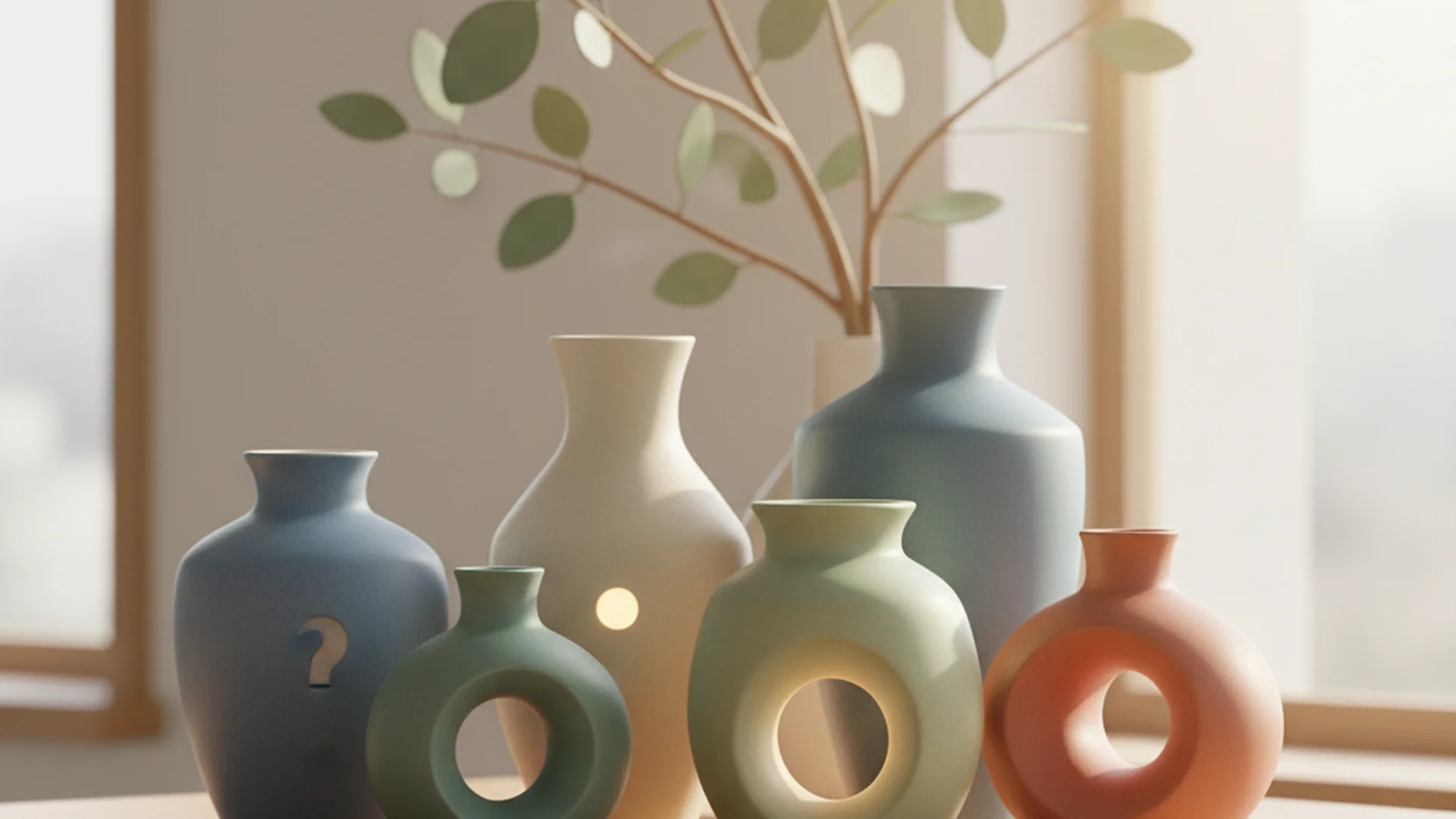
One of the most frequent questions I receive as a funeral director is, "What size urn do I actually need?" It is a common misconception that all urns are "one size fits all." In reality, the volume of cremated remains (ashes) depends on the bone structure and height of the individual, not necessarily their weight at the time of passing. However, weight is the most reliable proxy we have for estimation.
The Standard Sizing Rule
The industry standard is the "1-to-1 Rule." For every one pound of a person’s weight before cremation, you will need one cubic inch of capacity inside the urn.
- Standard Adult Urn: Typically holds 200 cubic inches.
- Large/Tall Adult: If the individual was over 6 feet tall or weighed more than 200 lbs, you should look for "Extra Large" urns (250+ cubic inches).
- Companion Urns: Designed for two people, these usually offer 400 to 500 cubic inches of space.
Types of Urn Volumes
| Urn Type | Typical Capacity | Best For |
|---|---|---|
| Full-Size Adult | 180 - 220 cu. in. | Single adult remains |
| Companion | 400 - 500 cu. in. | Couples or two individuals |
| Keepsake | 1 - 50 cu. in. | Sharing small portions of ashes |
| Infant/Child | 20 - 100 cu. in. | Children or very small adults |
The Legal Side: Your Rights Under the Funeral Rule
Many families feel pressured to purchase an urn directly from the funeral home where the service is being held. While funeral homes offer convenience, their prices are often significantly higher than what you will find through specialty retailers or online marketplaces.
This means you can browse Amazon Caskets and Urns or other retailers to find a design that truly fits your loved one's personality and budget. If you choose a direct cremation, the savings can be even more substantial, as you aren't paying for the overhead of a full-service funeral home's showroom.
Choosing the Right Material for the Location
Where the urn will eventually reside is the most important factor in choosing a material. A beautiful wooden urn might look perfect on a mantle but could deteriorate rapidly if placed in an outdoor columbarium.
For Home Display
If you plan to keep the remains in your home, aesthetics and durability are the primary concerns.
- Ceramic and Glass: These offer stunning artistic beauty but are fragile.
- Finished Wood: Walnut, Mahogany, and Oak provide a warm, traditional feel that complements home decor.
- Metal: Brass and pewter are timeless and virtually indestructible in an indoor environment.
For a Columbarium Niche
A columbarium is an above-ground structure with small "niches" for urns.
- Measurement is Critical: Before buying, confirm the exact niche dimensions. Many are exactly 12x12x12 inches, but some are much smaller.
- Recommended Materials: Metal, stone, or high-quality marble are preferred.
For Burial
If you are burying the remains, the material must withstand soil pressure and moisture.
- Stone and Marble: These are the most durable for underground placement.
- Urn Vaults: Most cemeteries require an "urn vault"—a protective outer container—to prevent the ground from collapsing over time as the urn settles.
Traveling and Flying with an Urn
If you are planning to scatter remains in a different state or country, you need to be aware of Transportation Security Administration (TSA) guidelines.
TSA-Friendly Materials
The TSA must be able to see the contents of the urn clearly through an X-ray machine. They are not allowed to open an urn, even at the family's request.
- Best Materials for Flying: Wood, plastic, cardboard, or non-lead-lined ceramic.
- Materials to Avoid: Lead-lined ceramic or heavy metal urns (like solid brass) can be opaque on X-rays, leading to security delays or the urn being barred from the flight.
Modern Trends: 2025 and 2026 Innovations
The death care industry is currently experiencing a technological and ecological revolution. Here are the top trends we are seeing in 2025 and 2026:
Smart & Digital Memorials
Urns are no longer just static containers. Many now feature QR codes etched into the surface or hidden on the base. When scanned with a smartphone, these link to "Digital Time Capsules"—memorial websites containing photos, videos, and biographies of the deceased.
3D Printed Customization
We are seeing a massive surge in 3D-printed urns. This technology allows families to create highly specific shapes that were once impossible. For example, we recently helped a family design an urn shaped exactly like a vintage 1965 Mustang for a car enthusiast.
The "Living Urn" and Green Burials
As eco-friendly options become the norm, "Living Urns" have gained mainstream popularity. These biodegradable containers hold the ashes along with a tree seed or seedling. Over time, the ashes provide nutrients to the tree, creating a living memorial.
Symbolic Motifs: The Year of the Cardinal
In the 2025-2026 season, the cardinal bird has emerged as the most popular symbolic motif for urn engraving. Many cultures view the appearance of a cardinal as a sign that a deceased loved one is visiting, making it a powerful choice for families seeking a spiritual connection.
Maintenance and Care
To ensure a permanent memorial lasts for generations, proper maintenance is required based on the material.
- Metal Urns: Wipe with a dry, soft microfiber cloth. Avoid water and cleaning chemicals, which can cause oxidation or tarnish the finish.
- Wood Urns: Treat these like fine furniture. Use a high-quality furniture polish and keep them out of direct sunlight to prevent the wood from fading or cracking.
- Stone/Marble Urns: Use only pH-neutral cleaners. Avoid vinegar, lemon juice, or any acidic cleaners, as these will etch the surface of the stone and ruin the polish.
Common Mistakes to Avoid
- Waiting Too Long to Order: Crematories usually provide remains in a temporary plastic or cardboard box. If you plan a public memorial service, order your permanent urn at least one week in advance to account for shipping and engraving time.
- Assuming "Biodegradable" Means "Weak": Some families avoid eco-friendly urns because they think they will fall apart on a shelf. In reality, many water-burial or earth-burial urns are designed to remain solid for years and only begin to break down when exposed to moisture in the soil or ocean.
- Ignoring the "Temporary Container" Size: If you plan to transfer remains yourself, check the size of the temporary container provided by the crematory. Some "Standard" urns have narrow openings that make the transfer difficult.
Frequently Asked Questions
What size urn do I need?
Can I bring an urn on a plane?
Do I have to buy an urn from the funeral home?
Can one urn hold two people?
How do I transfer the ashes into the urn?
What is "Water Cremation" (Aquamation) and what urn should I use?
How long do biodegradable urns take to break down?
Conclusion
Selecting an urn is a significant step in the grieving and memorialization process. By understanding the sizing requirements, material durability, and your legal rights, you can focus on finding a piece that truly honors your loved one’s legacy. Whether you are following the ashes scattering path or keeping a memorial at home, the right urn serves as a bridge between the past and the future.
Written by Julian Rivera
Our team of experts is dedicated to providing compassionate guidance and practical resources for end-of-life planning. We're here to support you with dignity and care.