Key Takeaways
- Urn vaults protect the burial site from ground collapse and maintenance weight.
- While not legally required, most cemeteries mandate vaults as a management policy.
- Modern vaults in 2025-2026 offer high levels of personalization and eco-conscious materials.
When planning a final resting place, many families focus intensely on the aesthetic of the cremation urn. However, if you intend to inter those remains in a cemetery, there is a "forgotten" component that is arguably the most critical part of the process: the urn vault for burial. As an end-of-life consultant, I often see families surprised by this requirement during an already emotional time. Understanding why these containers exist, how they function, and the emerging trends for 2025 and 2026 can help you make an informed decision that honors your loved one while protecting their legacy.
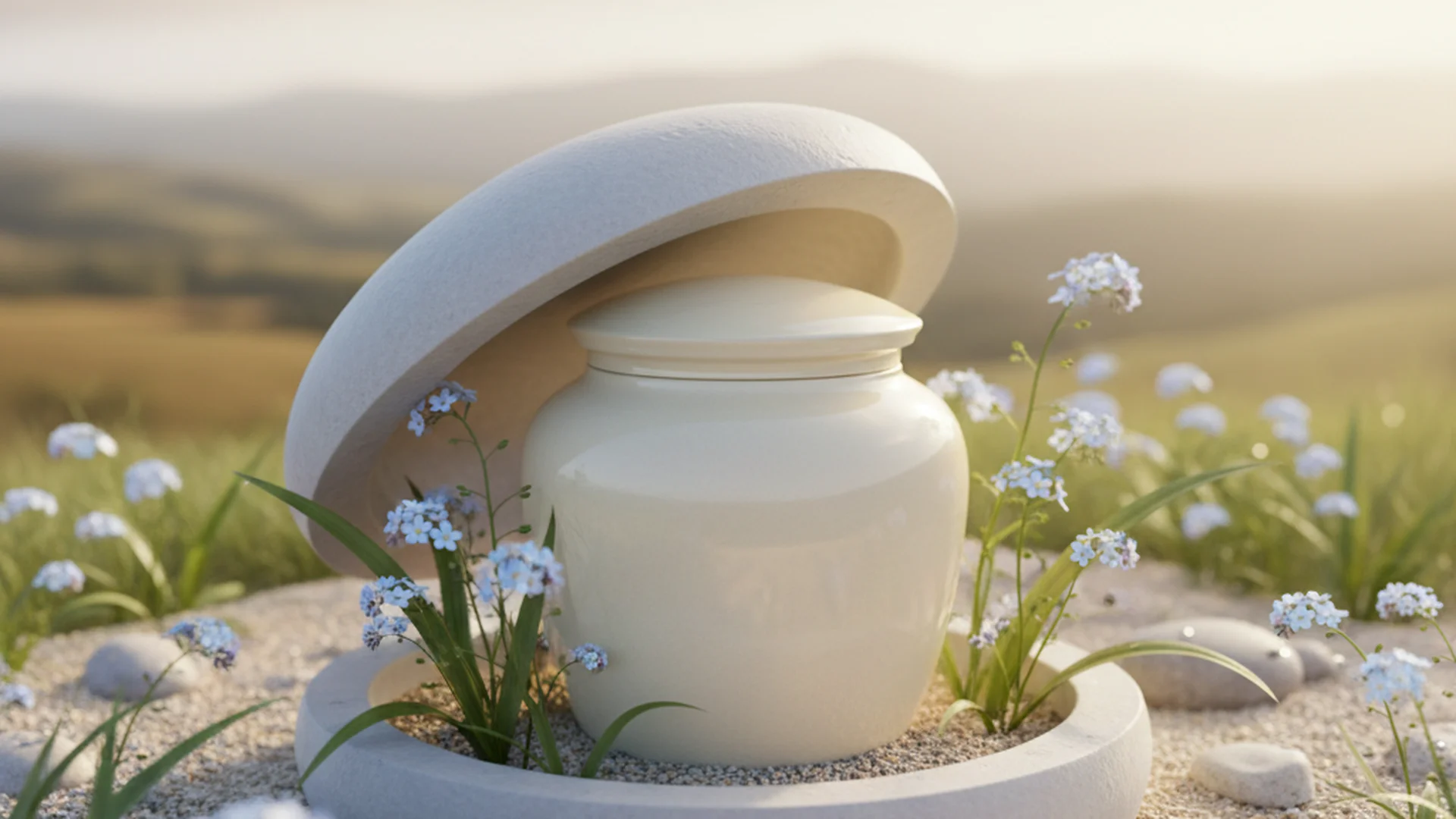
An urn vault, also frequently called a cremation vault, is a reinforced, sealed outer container designed to house a cremation urn. Unlike the urn itself, which is a vessel for remains, the vault is a structural safeguard for the earth. It ensures that the weight of the soil and heavy cemetery equipment doesn't crush the urn or cause the ground above to sink over time.
Why an Urn Vault for Burial is Essential
The primary reason for an urn burial vault is structural integrity. Modern cemeteries are busy landscapes maintained by heavy machinery, including backhoes and industrial lawnmowers. Without a vault, the weight of the earth combined with the pressure from this machinery would eventually cause a standard urn to crack or collapse. This leads to "sunken graves," which are not only unsightly but also pose a safety hazard for cemetery staff and visitors.
Furthermore, a vault acts as a barrier against the elements. While no container can stop the natural laws of physics forever, a high-quality sealed vault significantly limits the ingress of groundwater and soil insects, providing a cleaner environment for the urn.
Understanding Material Options and Strength
When selecting a vault, you will generally choose between three primary materials: concrete, polymer, and metal. Each has specific benefits regarding durability, weight, and aesthetic appeal for a graveside service.
Concrete Vaults
Concrete remains the industry standard for maximum structural integrity. High-quality concrete urn vaults are often engineered to withstand at least 3,300 to 5,000 PSI (pounds per square inch) of pressure. Many are reinforced with plastic or metal liners to provide extra protection against moisture.
Polymer and Plastic Vaults
Modern polymers have revolutionized the market. These vaults are incredibly lightweight, making them easier for families to handle if they are performing a private ceremony. Despite their weight, high-density polymers are remarkably durable and offer excellent water resistance.
Metal Vaults (Steel and Bronze)
Metal vaults are often chosen for their aesthetic beauty. They are typically used in premium graveside services where the vault is displayed before the final interment. Steel and bronze offer high levels of protection and are often paired with commemorative plaques or engravings.
| Material | Weight | Durability | Moisture Resistance |
|---|---|---|---|
| Concrete | High | Excellent | Good (if lined) |
| Polymer | Low | High | Excellent |
| Metal | Medium | High | High |
2025–2026 Trends in Urn Vaults
As we look toward 2026, the funeral industry is evolving to meet the demands of more tech-savvy and eco-conscious families. We are seeing a significant shift in how these "utilitarian" boxes are viewed.
Sustainable "Hybrid" Vaults
Manufacturers are now responding to the green burial movement by creating "low-impact" concrete mixes. These incorporate recycled additives and alternative cements that reduce the carbon footprint of production. This allows families to meet cemetery requirements for a vault while still honoring environmental values.
Hyper-Personalization
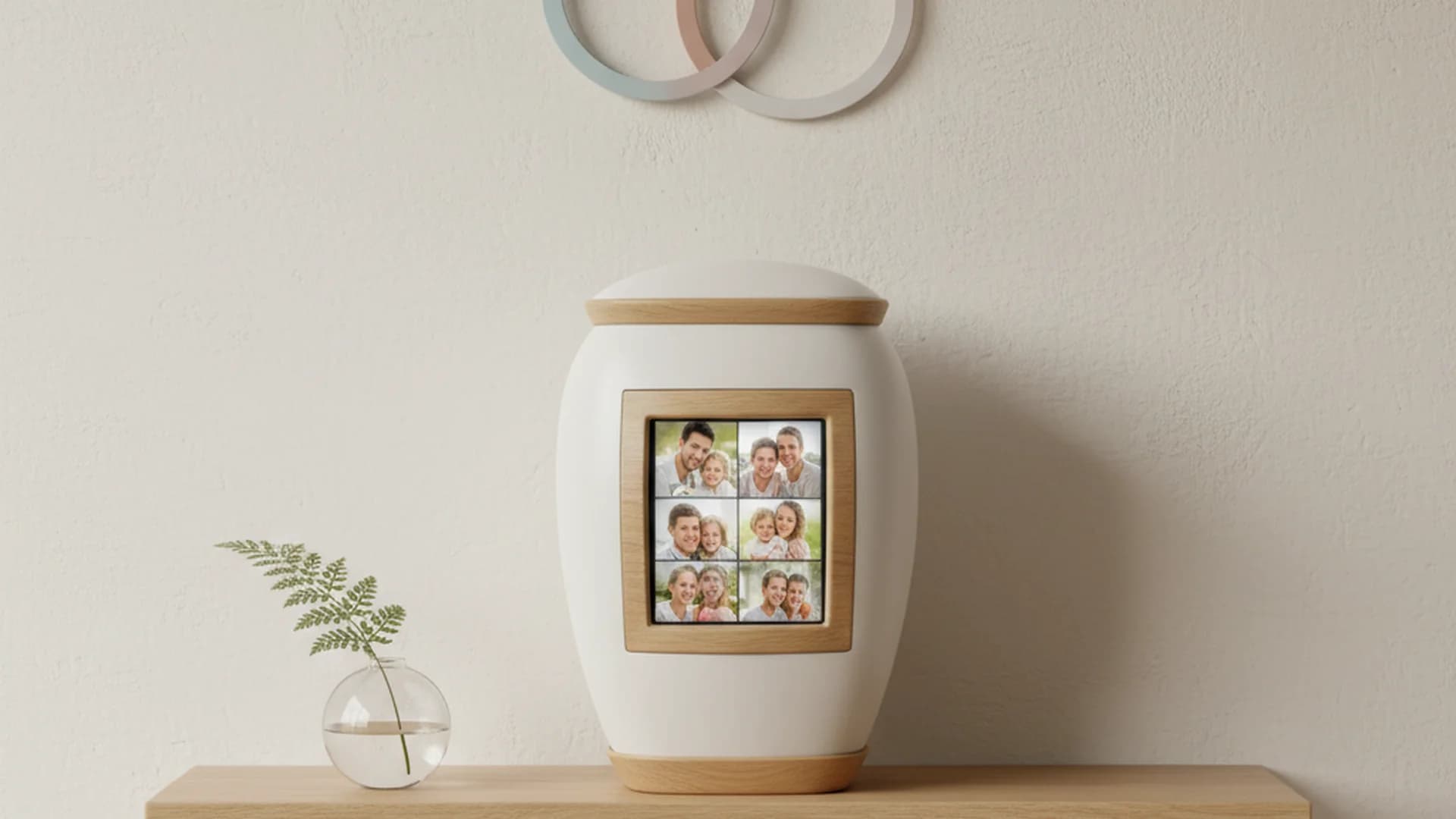
The vault is no longer just a hidden box. Companies like Batesville and Doric are expanding lines that allow for custom engravings and "LifeStories®" medallions. We are seeing an increase in photo-wrapped vault lids, which turn the vault into a visual centerpiece of the memorial service.
Digital Integration
One of the most exciting trends for 2026 is the integration of digital memorial hubs. Some vault models now come with an option to include a weather-resistant QR code on the vault or the temporary marker. When scanned, this links to a multimedia tribute, allowing visitors to view photos and videos of the deceased directly at the gravesite.
Real-World Examples of Vault Usage
Example 1: The Heritage Plot Preservation
The Miller family owned a historic plot in a century-old cemetery. To ensure the ground remained level for future generations and to prevent any shifting of the surrounding headstones, they chose a reinforced concrete vault. The 5,000 PSI rating gave them peace of mind that the heavy maintenance equipment used in the narrow rows wouldn't damage the site.
Example 2: The Lightweight Polymer Choice
A family planning a small, private "walk-in" burial at a rural cemetery opted for a high-density polymer vault. Because it was lightweight, they were able to carry the vault to the site themselves as part of the ceremony, avoiding the need for a tractor and preserving the quiet, natural atmosphere of the burial.
Example 3: The Companion Memorial
For a husband and wife who wished to be buried together, the family selected a "Companion" metal vault. This larger vault was designed to hold two Photo Urn Options side-by-side, featuring a custom bronze finish and a shared nameplate that served as a beautiful focal point for the graveside service.
Common Mistakes to Avoid
Buying an urn vault for burial often happens in a rush, but avoiding these common pitfalls can save you money and stress.
1. The "Airtight" Myth
Many people believe that a vault will keep the urn perfectly dry and the remains "preserved" forever. This is a misconception. While vaults are highly effective at resisting moisture, no container is 100% airtight over decades of subterranean pressure. The primary job of the vault is structural stability.
2. Buying the Urn Before Checking Vault Dimensions
A common mistake is purchasing a large or uniquely shaped decorative urn and then finding out it won't fit in a standard cemetery vault. Always verify the interior dimensions of the vault against the exterior dimensions of your urn.
3. Assuming All Cemeteries Have the Same Rules
Even within the same city, rules vary wildly. One cemetery may allow a heavy-duty plastic vault, while another may strictly require concrete. Always request the cemetery’s "Rules and Regulations" in writing before making a purchase.
4. Overpaying for "Protection"
While high-end metals offer more aesthetic value, the "protection" is often more for the family’s peace of mind than a functional necessity for the ashes, which are already inorganic and won't "decompose" in the traditional sense.
Frequently Asked Questions
Is an urn vault required by law?
What is the difference between an urn vault and an urn liner?
Can I use a biodegradable urn in a vault?
Can any urn fit in any vault?
Choosing Your Final Resting Place
Selecting an urn vault for burial is a final act of protection for your loved one. Whether you prioritize the indestructible nature of concrete, the modern convenience of polymer, or the personalized touch of 2026 digital integrations, the right vault provides peace of mind. By coordinating with your cemetery and understanding the technical requirements of the site, you ensure that the memorial remains a beautiful, level, and safe place for future generations to visit.
If burial feels too restrictive, you may want to explore other options for your loved one's remains. Some prefer the flexibility of an Urn for Scattering or the permanence of Above Ground Burial Options (Options and Timeline). Whatever you choose, ensure it reflects the legacy of the life being honored.
Need More Guidance?
Explore our full range of memorial resources and planning tools.
View All GuidesWritten by Amara Okafor
Our team of experts is dedicated to providing compassionate guidance and practical resources for end-of-life planning. We're here to support you with dignity and care.