Key Takeaways
- Respect physical boundaries and follow individual cemetery rules.
- Understand the rise of digital memorials and green burial options.
- Frequency of visits is a personal choice based on individual grief journeys.
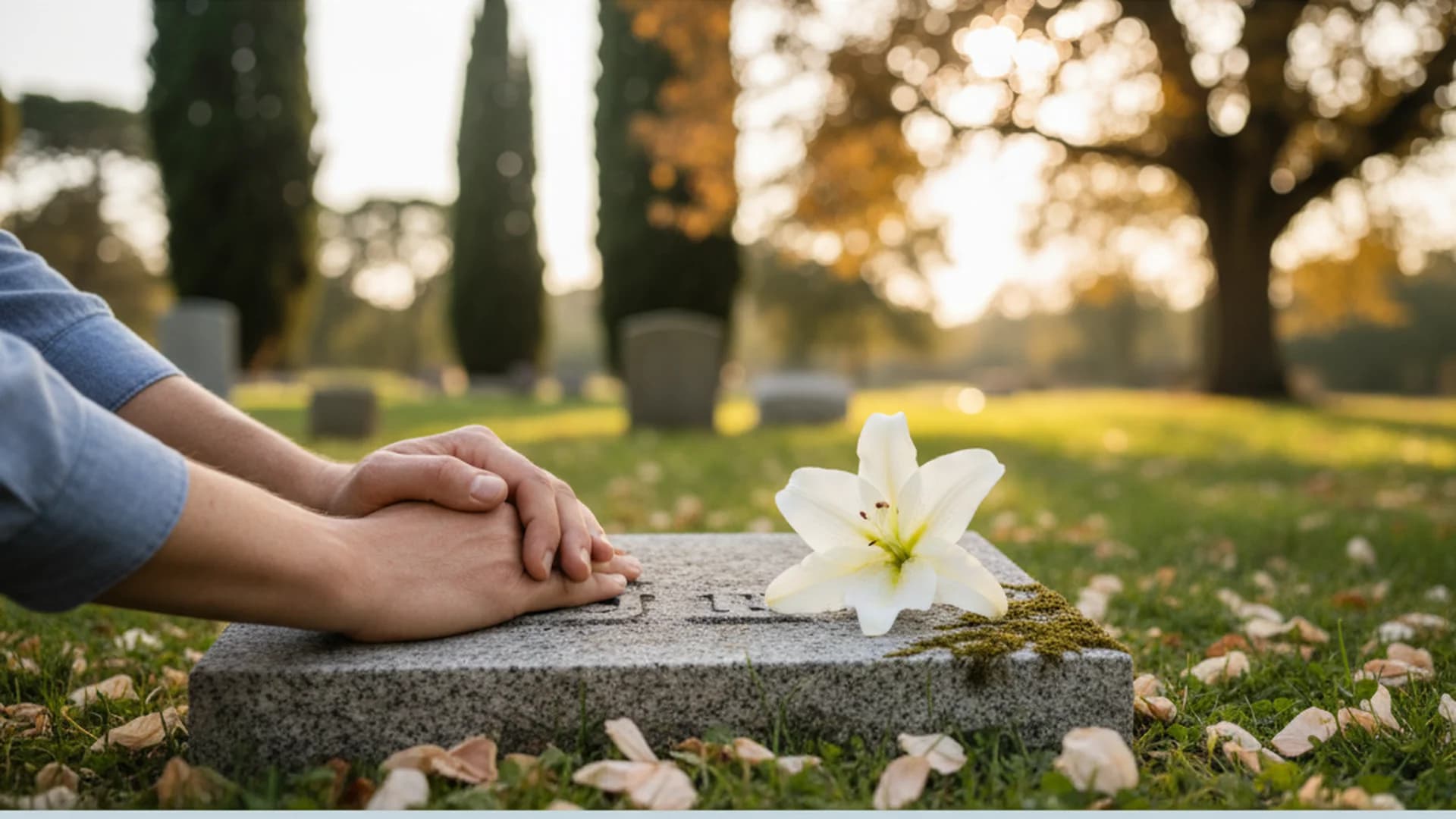
Visiting a grave after burial is a deeply personal ritual that offers comfort, reflection, and a sense of ongoing connection. For many, the cemetery serves as a bridge between the physical presence of a loved one and the enduring nature of their memory. Whether you are visiting for the first time shortly after the funeral or establishing a long-term tradition, understanding the etiquette and evolving trends of the 2025–2026 period can help make the experience more meaningful.
The Importance of the Physical Grave Site
In an era where technology often moves us toward digital spaces, the physical grave site remains a cornerstone of bereavement services. Recent data from the National Funeral Directors Association (NFDA) highlights a shifting but persistent landscape in how we memorialize the deceased. While the projected cremation rate for 2025 has reached 63.4%, nearly 38% of those who choose cremation still prefer to inter or bury the remains in a cemetery.
This indicates that even when traditional burial is not the choice, the need for a physical "anchor" for grief remains high. This site becomes a sanctuary for the "continuing bonds" theory—a psychological concept where mourners maintain a symbolic relationship with the deceased to aid in healthy healing.
When to Visit the Cemetery for the First Time
One of the most frequent questions mourners ask is: "How soon can I visit after the burial?" The answer is typically as soon as the cemetery’s public hours allow.
Many families find comfort in returning the day after the service. This allows them to see the flowers arranged and experience the site in a quieter, more private setting than the day of the interment. However, there is no rigid timeline. If you feel ready after a few days or need several weeks to process the initial shock, both are valid responses to loss.
Understanding Grave Visit Etiquette
Cemeteries are shared spaces of communal mourning. Maintaining a peaceful environment requires adherence to both written rules and unwritten social norms. Proper grave decoration rules often vary by facility, so checking the specific cemetery's bylaws is always recommended.
Physical Respect and Navigation
Always walk on the designated paths or between headstones. Stepping directly on a grave is considered disrespectful in almost every culture and can also be physically dangerous if the ground is uneven. If you are driving into the cemetery, maintain a speed of 10 mph or less. Never park on the grass unless specifically directed by staff, as this protects the integrity of the soil and markers.
Noise Control and Privacy
The cemetery is a place of reflection. Keep your voice to a whisper and silence your phone before entering the gates. If you choose to play music or prayers that were significant to the deceased, use headphones to avoid disturbing other visitors who may be grieving nearby.
Religious and Cultural Sensitivity
Different faiths have unique traditions regarding grave visits:
- Judaism: It is customary to place a small stone on the headstone rather than flowers, symbolizing the permanence of memory.
- Islam: Visitors often stand quietly and offer a "Salam" (prayer of peace) to the deceased.
- Christianity: Flowers and candles (where permitted) are traditional symbols of hope and resurrection.
- Hinduism: While cremation is the standard, for those with memorial sites or niches, offerings of food and flowers are common.
Modern Trends in Memorialization (2025–2026)
The way we visit graves is evolving alongside technology and environmental awareness. We are seeing a significant move toward "living history" sites and eco-friendly options.
Digital Memorials and QR Codes
A major 2025 survey found that 39% of people are now interested in digital memorials. You may notice small QR codes attached to headstones. When scanned with a smartphone, these links often lead to video tributes, photo galleries, or online guestbooks. This allows a "visit" to be more interactive and informative for younger generations.
The Rise of Green and Natural Burials
Interest in "green" or eco-friendly funeral options has surged to 61.4% in 2025. The green burial service market is expected to grow significantly through 2026. This includes:
- Conservation Cemeteries: These are protected lands where graves are unmarked by traditional stones. Visitors may use GPS coordinates or look for specific native plants to find their loved ones.
- Biodegradable Tokens: Instead of plastic flowers, mourners are increasingly bringing wildflower seeds or birdseed (if allowed) to support the local ecosystem.
AI and Authenticity
While digital trends are rising, 65% of Americans express wariness about using AI-generated avatars in funeral tributes. Most visitors still prefer "human-authentic" memorialization, such as handwritten letters or hand-selected items that represent a shared memory.
What to Bring to a Grave Visit
Deciding what to bring depends on the rules of the cemetery and your personal traditions. While flowers are the most common choice, consider these alternatives:
- Waterproof Letters: Writing a letter to the deceased is a powerful therapeutic tool. Laminating the letter or placing it in a sealed container can protect it from the elements.
- Symbolic Stones: A small stone from a place you traveled together.
- Cleaning Supplies: Plain water and a soft-bristled brush.
- A Small Stool: If you plan to stay for an extended period of reflection, a portable seat can make the visit more comfortable.
Common Mistakes to Avoid
Avoiding these common pitfalls ensures that the cemetery remains a well-maintained and respectful place for everyone.
- Leaving Glass Containers: Many cemeteries have banned glass vases because they become safety hazards if they break or are hit by commercial lawnmowers. Stick to plastic or metal.
- Removing Items from Other Graves: Even if a neighboring grave looks neglected or the flowers have wilted, never touch or remove items. These are personal tributes with hidden meanings.
- Ignoring Cemetery Hours: Most cemeteries are "dawn to dusk." Entering after hours is often legally considered trespassing and can lead to fines.
- Over-Decorating: While it's tempting to leave many items, check your cemetery's perpetual care fees agreement. Often, staff will remove excessive items that interfere with grass cutting or maintenance.
Frequently Asked Questions
How soon can I visit after the burial?
How often should I visit?
Is it "weird" to talk to the deceased?
Can I bring my dog to the cemetery?
What if I can't find the grave site?
Conclusion
Visiting a grave after burial is an act of love and a vital step in the journey of bereavement. Whether you are navigating the costs associated with the site, such as the opening and closing grave fee, or deciding between a grave liner vs vault for long-term protection, the ultimate goal is to create a space of peace. By following proper etiquette and respecting the environment, you ensure that the cemetery remains a sanctuary for all who seek comfort within its gates.
Need Guidance on Cemetery Logistics?
Our resources cover everything from deed transfers to maintenance fees.
View All GuidesWritten by David Montgomery
Our team of experts is dedicated to providing compassionate guidance and practical resources for end-of-life planning. We're here to support you with dignity and care.