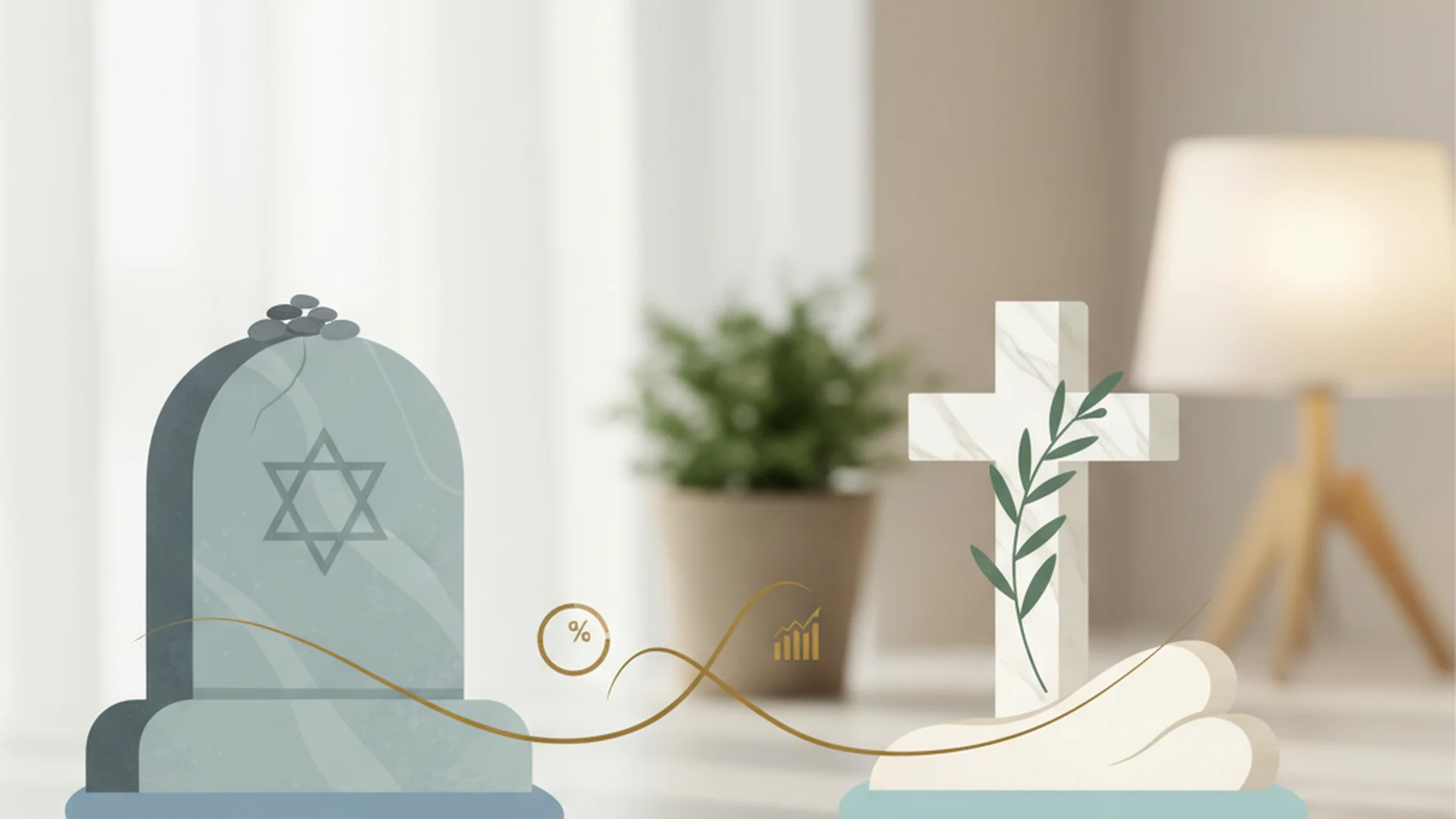
When a loved one passes away, the sheer volume of choices can be overwhelming. Amidst the complexity of modern funeral planning, many families are searching for a streamlined, dignified, and cost-effective solution. This is where direct burial (also known as immediate burial or simple burial) comes into play. By removing the expensive "frills" of traditional services, direct burial focuses on the essential act of interment, allowing families to prioritize simplicity and financial stewardship.
Families often struggle with the rising costs of the funeral industry. The shift toward direct burial reflects a broader cultural move toward minimalism and authenticity. This guide answers your most pressing questions about how this process works, what it costs, and how to navigate the legalities.
Understanding Direct Burial: The Basics
Direct burial is the process of interring a deceased person shortly after death—typically within 24 to 72 hours—without a preceding formal viewing, visitation, or embalming. Because the body is buried so quickly, many of the traditional "pre-funeral" preparations become unnecessary.
Unlike a traditional funeral, where the funeral home coordinates a multi-day event including a wake and a chapel service, a direct burial treats the physical disposition as a logistics-focused event. This does not mean there is no room for honoring the deceased; rather, it shifts the focus of the ceremony away from the funeral home and into the community or the graveside.
The Financial Benefits of Simple Burial
The most significant driver for choosing direct burial is the cost. According to 2025 projections from the National Funeral Directors Association (NFDA), a traditional burial now averages over $7,000, and that figure often excludes the cemetery plot and vault. When those are added, the total can easily exceed $15,000.
In contrast, the funeral home's portion of a direct burial typically costs between $2,000 and $4,000 (before cemetery costs such as the plot, vault, and grave opening are added). These savings come from several factors:
- Elimination of Embalming: Embalming is used for preservation during public viewings. Since direct burial happens quickly, this step—and its $700–$1,200 fee—is skipped.
- Basic Caskets: There is no need for a high-end "display" casket. Many families opt for a simple wood box or an unfinished pine casket.
- Reduced Facility Fees: You aren't paying for the use of the funeral home’s chapel or viewing rooms.
- Professional Services: The funeral home's "basic service fee" is often lower for direct burials because there is less scheduling and coordination involved.
| Expense Category | Traditional Burial (Est.) | Direct Burial (Est.) |
|---|---|---|
| Funeral Home Fee | $2,500 - $3,500 | $1,500 - $2,500 |
| Embalming | $700 - $1,200 | $0 |
| Casket | $2,000 - $5,000 | $500 - $1,500 |
| Viewing/Service | $1,000 - $2,000 | $0 |
| Total Est. | $6,200 - $11,700 | $2,000 - $4,000 |
Your Rights: The FTC Funeral Rule
One of the most important things to understand when planning a direct burial is your protection under the Federal Trade Commission (FTC) Funeral Rule. This law ensures that consumers are not forced into all-inclusive packages.
Under the Rule, you have the right to:
- See a General Price List (GPL): The funeral home must provide this before you discuss any arrangements.
- Buy Only What You Want: You can choose a direct burial without being forced to pay for a funeral service you don't need.
- Provide Your Own Casket: You can purchase a casket from an online retailer or a third-party shop. The funeral home cannot charge you a "handling fee" for this.
If you are currently handling the financial logistics of a loss, you may also need to read our guide on notifying banks after a death to ensure funds are available for these expenses.
How Families Use Direct Burial: Illustrative Scenarios
The scenarios below are hypothetical, written to show common reasons families choose this option. Dollar figures are illustrative and will vary by region and provider.
Scenario 1: The Budget-Conscious Celebration
A family wants to honor a parent but finds a roughly $12,000 traditional quote out of reach. They choose a direct burial for a few thousand dollars, provide a simple casket, and have the body interred within a couple of days. Weeks later, they hold a "Celebration of Life" at a local park, sharing stories and photos. By separating the burial from the ceremony, they reduce overall costs significantly while still gathering to remember their loved one.
Scenario 2: The Eco-Conscious Wish
A person who cared deeply about the environment asks for a "simple burial" with a biodegradable casket and no embalming chemicals. The family chooses a "hybrid" cemetery that permits direct burial in a natural section without a concrete vault, honoring the wish for a low-impact "return to the earth."
Scenario 3: The Long-Distance Family
When relatives live far apart, a direct burial can be the most practical option. The family arranges interment promptly, then uses the money saved to gather everyone for a private memorial service at a later date in a central location.
Recent Trends (2025-2026)
The way death care works is changing rapidly. In 2026, several key trends are influencing the choice of direct burial:
Green Burial Expansion
Natural burials are no longer a niche market; demand has grown substantially. More traditional cemeteries are opening "green" sections to accommodate direct burials that exclude vaults and chemicals.
Human Composting (NOR)
A growing number of U.S. states have legalized Natural Organic Reduction (sometimes called human composting or terramation). It is not a "burial" in the traditional sense, but it follows the "direct" philosophy of prompt disposition and appeals to families looking for an eco-friendly alternative. Availability still varies widely by state, so confirm whether it is legal and offered where you live.
Digital Legacy and QR Codes
Some families who choose direct burial install a flat grave marker that includes a QR code linking to an online tribute page with photos and written memories. It is one way to create a lasting remembrance when there is no formal funeral home service, though it remains optional and far from universal.
What Trips Families Up
- Overspending on the Casket: Since there is no viewing, there is no functional reason to buy a "sealer" or premium casket. A basic container is sufficient.
- Forgetting "Opening and Closing" Fees: Most funeral home packages for direct burial do not include the cemetery’s fee to dig and fill the grave. This can cost an additional $1,000–$2,500.
- Assuming All Cemeteries Are the Same: Some cemeteries require a burial vault even for direct burials. Always call the cemetery directly to confirm their requirements.
- Not Comparing Prices: Call at least three funeral homes. The price for a "Direct Burial" service can vary by $2,000 or more within the same zip code for the exact same labor.
Key point: By documenting your wishes for a direct burial in advance, you prevent your family from making emotional overspending decisions during their time of grief.
Frequently Asked Questions
Is a casket required for direct burial?
Can we have a service with a direct burial?
Is embalming necessary?
Is a burial vault required?
Can I pre-pay for a direct burial?
In Summary
Direct burial offers a path that honors the deceased through simplicity and respect for the natural process of passing. By choosing a simple burial, you are not showing "less respect"; rather, you are often choosing a more authentic and financially responsible way to handle a difficult life transition. As trends move toward green options and digital memorials, the "direct" approach remains the most flexible foundation for a modern farewell.
The main thing: Choosing direct burial allows you to focus your financial resources on a meaningful memorial or a legacy gift rather than expensive funeral industry overhead.
- 1
- 2
- 3
- 4
- 5
Informational Purposes Only
This article is for informational purposes only and does not constitute legal, medical, or financial advice. Laws, costs, and requirements vary by location and individual circumstances. Always consult a qualified legal, medical, or financial professional for advice specific to your situation.
Written by
Matt Morgan
Founder & Editor
Matt Morgan is the founder and editor of End of Life Tools, where he researches end-of-life topics from primary public sources and writes plain-language guides. General information only — he is not a licensed professional, and this is not professional advice.
View full profile →Put it into action
Found this helpful?
Explore our free-to-use planning tools to put what you learned into action.