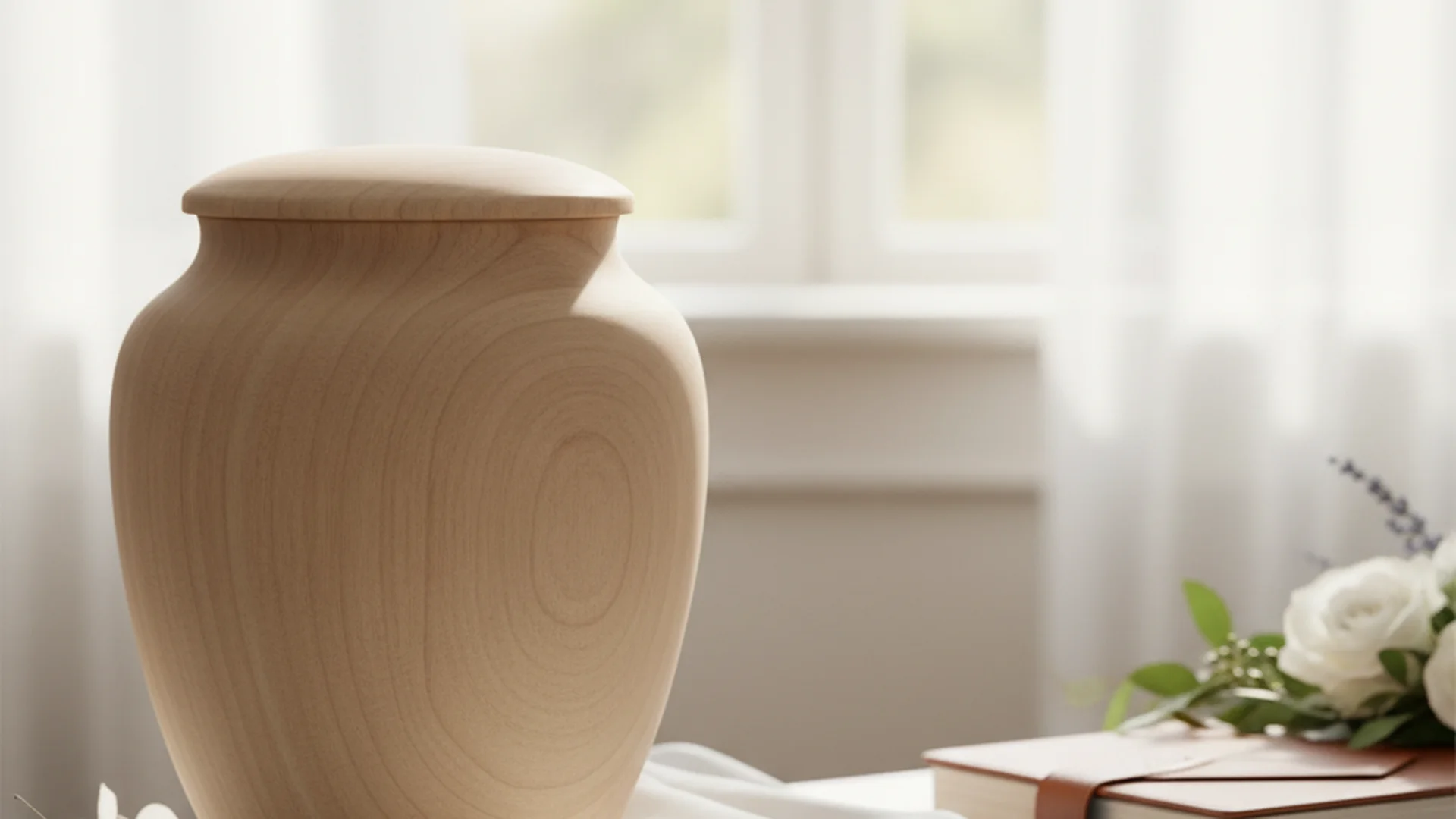
In the evolving landscape of end-of-life care, direct cremation has emerged as the most significant trend of the mid-2020s. As of 2025, the traditional funeral—complete with embalming, expensive caskets, and formal viewing—is no longer the default choice for the majority of families. Instead, a shift toward simplicity, cost-effectiveness, and personal flexibility is driving a "Direct Revolution."
But what exactly is it? Simply put, direct cremation is the process where the deceased is cremated shortly after passing, without a preceding formal funeral service or viewing. This method allows families to bypass the high-pressure environment of traditional funeral homes and focus on creating a memorial that truly reflects their loved one's life.
The Economics of Final Arrangements: $2,000 vs. $15,000
One of the primary drivers behind the rise of direct cremation is economic reality. Surveys of American consumers consistently find that a large share could not cover a traditional funeral out-of-pocket without incurring significant debt. When you look at direct cremation through a financial lens, the math is compelling.
| Service Type | Estimated Cost (2025-2026) | Included Features |
|---|---|---|
| Direct Cremation | $1,000 – $3,000 | Transportation, Permits, Cremation, Basic Urn |
| Traditional Burial | $7,000 – $15,000+ | Casket, Vault, Embalming, Gravesite, Ceremony |
| Direct Burial | $3,000 – $7,000 | Transportation, Simple Casket, Burial (No Service) |
The simple cremation meaning often translates to "financial freedom for the survivors." By choosing a direct disposition, families save an average of $8,000 to $10,000. These funds are often better utilized for a meaningful "Celebration of Life" event or to help settle the estate, such as keeping retirement account beneficiary designations up to date.
The Direct Cremation Process Step-by-Step
Understanding the timeline and the mechanics of the process can help alleviate the anxiety often associated with the days following a loss. While the term "direct" implies speed, the legal and regulatory requirements in 2026 ensure the process is handled with meticulous care.
1. Transportation and Sheltering
Once the death occurs, a cremation provider is notified. They transport the deceased from the place of passing (hospital, hospice, or home) to a climate-controlled facility.
2. The 21-Day Rule: Securing Permits
A common misconception is that the cremation happens within hours. In reality, the "21-Day Rule" is a standard industry benchmark. This period accounts for:
- Securing the doctor's signature on the death certificate.
- Obtaining the County Medical Examiner’s or Coroner’s authorization.
- Processing state-required cremation permits.
3. The Minimal Container
In a direct cremation, there is no need for an expensive casket. The body is placed in a "minimal cremation container"—usually made of reinforced cardboard or unfinished wood—which is entirely consumed during the process. To learn more about the specifics of the procedure, see our guide on what happens during cremation.
4. The Cremation and Return of Ashes
The actual cremation takes place at the crematory’s convenience within the legal window. The cremated remains (ashes) are then processed and placed in a temporary container or a pre-purchased urn.
Bottom line: Choosing direct cremation buys your family time. Because there is no body to view, you are not pressured to hold a service within 72 hours. You can wait weeks or even months until every family member can travel to join the memorial.
Busting the "Disrespect" Myth
One of the hurdles some families face when considering direct cremation is the feeling that it might be "cheap" or "disrespectful." That perception has been shifting. It is widely reported, for example, that musician David Bowie chose a private, no-ceremony cremation, opting for privacy and simplicity over public spectacle. Many families make the same choice for the same reasons.
Direct cremation is not the absence of a farewell; it is the relocation of the farewell. Instead of a somber funeral home chapel, families are now hosting:
- Backyard BBQs: Celebrating a loved one’s favorite food and music.
- Hiking Tributes: Scattering ashes at a favorite summit.
- Destination Memorials: Using the money saved on funeral costs to fly the family to a meaningful location.
The 2026 Green Wave: Aquamation and Eco-Friendly Options
For many families, environmental impact is an important consideration. Water Cremation (Alkaline Hydrolysis), often marketed as "Green Direct Cremation," is now legal in a growing number of U.S. states, though availability still varies widely.
Aquamation uses substantially less energy than flame-based cremation and produces little to no direct greenhouse gas emissions, which is why it appeals to environmentally conscious families. For those committed to sustainability, it is often paired with biodegradable scatter tubes or "living urns" that grow into trees. Because regulations vary by state, check with your state's funeral or health authority to confirm whether water cremation is currently available where you live.
Common Missteps
Even with a process as simple as direct cremation, there are pitfalls to watch out for. Families frequently make these three mistakes:
- Falling for "Teaser" Prices: You might see an advertisement for a "$695 Cremation." Be wary. This price often excludes the cremation container ($50-$150), transportation from the hospital ($200+), or the actual cost of the death certificates ($20-$30 per copy). Always ask for the "all-in" price.
- Rushing the Memorial: There is no biological clock ticking once the cremation is complete. Don't feel forced to hold a service the following weekend if the family is exhausted. Wait until you can plan something that truly fits the deceased’s personality.
- Neglecting Estate Logistics: While focusing on the cremation, don't forget the administrative side of death. For instance, knowing how to handle notifying banks after a death is crucial for paying for the cremation itself if funds are tight.
Frequently Asked Questions
Can I still have a funeral service with direct cremation?
What is the body cremated in if I don't buy a casket?
Do I need to buy an expensive urn immediately?
Will I know the exact time the cremation takes place?
Is direct cremation the same as "simple cremation"?
Conclusion: Flexibility Is the Greatest Gift
Direct cremation is more than just a cost-saving measure; it is a choice that prioritizes the emotional needs of the living over the traditions of the past. By choosing this path, you remove the logistical pressure of a 72-hour funeral window, allowing your family the space to grieve, reflect, and plan a tribute that is as unique as the life it honors.
Whether you are motivated by the environment, the economy, or a desire for privacy, direct cremation provides a dignified and modern solution to one of life’s most difficult transitions. By comparing transparent price lists and asking the right questions, you can ensure that your loved one’s final journey is handled with respect and care.
Bottom line: By opting for direct cremation, you are joining a growing number of people choosing a path that values personal legacy over tradition.
Informational Purposes Only
This article is for informational purposes only and does not constitute legal, medical, or financial advice. Laws, costs, and requirements vary by location and individual circumstances. Always consult a qualified legal, medical, or financial professional for advice specific to your situation.
Written by
Matt Morgan
Founder & Editor
Matt Morgan is the founder and editor of End of Life Tools, where he researches end-of-life topics from primary public sources and writes plain-language guides. General information only — he is not a licensed professional, and this is not professional advice.
View full profile →Put it into action
Found this helpful?
Explore our free-to-use planning tools to put what you learned into action.