Key Takeaways
- Scattering gardens offer a professional, maintained alternative to DIY scattering.
- Untreated ashes have a high pH (12) and require soil amendments to protect plants.
- Monument engraving and permanent markers often have a 3–12 month lead time.
As we move into 2025, the way we honor our loved ones is shifting toward more natural, sustainable, and serene environments. With cremation rates now exceeding 60% in the United States, many families are looking beyond traditional burial plots. Scattering garden services have emerged as a premier choice for those seeking a "middle ground" between a private DIY scattering and a formal cemetery burial. These professionally managed spaces, often referred to as a garden of remembrance, provide a peaceful sanctuary where families can return year after year to reflect and remember.
Choosing a scattering garden service involves more than just casting ashes into the wind; it requires an understanding of soil health, local regulations, and the various memorialization options available. In this guide, we will explore the different types of gardens, the essential timeline for planning a ceremony, and how to ensure your memorial garden ashes contribute to a thriving, living legacy.
What Are Scattering Garden Services?
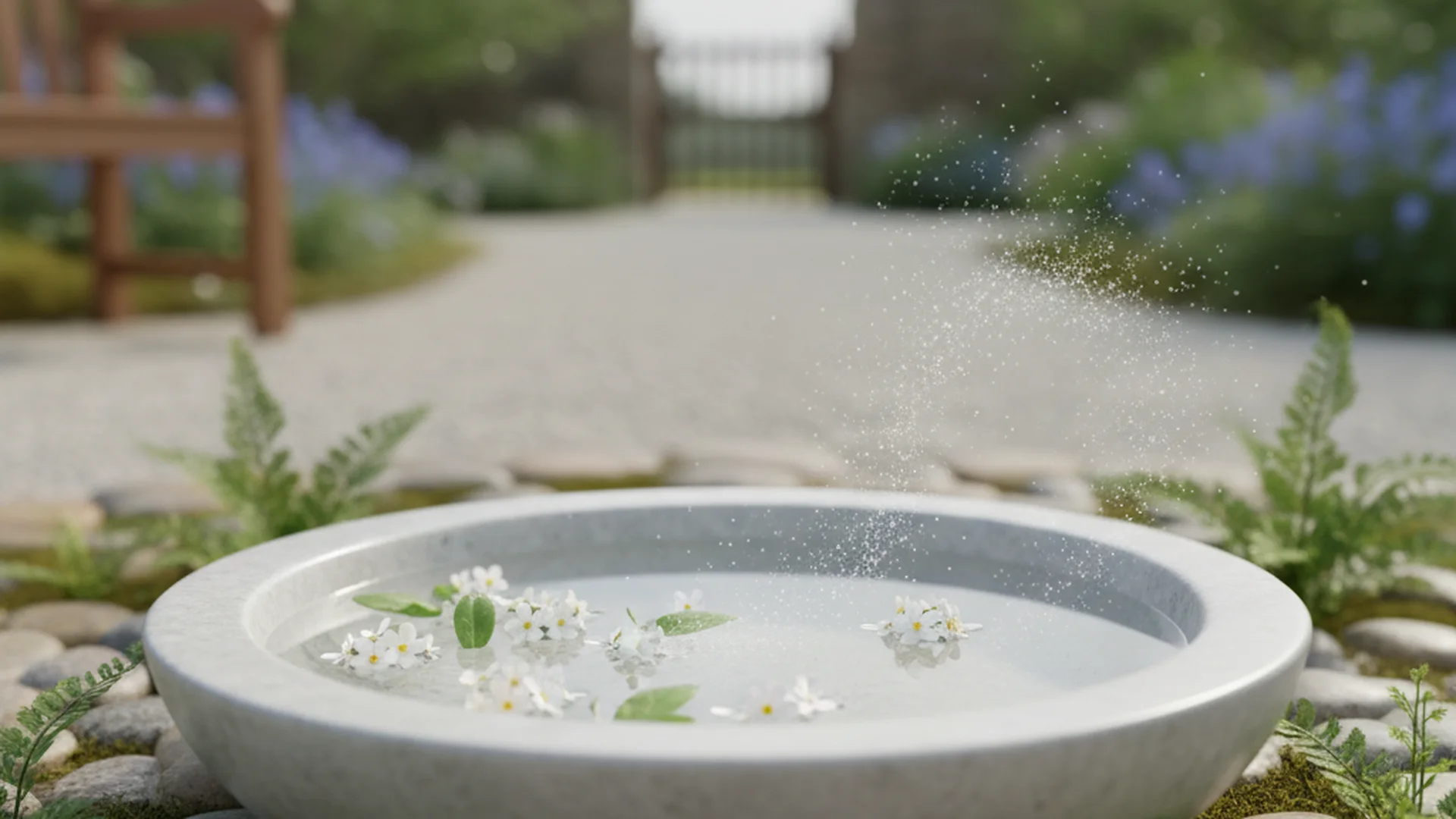
A scattering garden is a designated, professionally landscaped area—usually located within a cemetery, crematorium, or private botanical estate—specifically designed for the placement of cremated remains. Unlike a traditional grave, these gardens focus on the "return to nature."
There are generally three ways ashes are integrated into these spaces:
- Casting: The ashes are scattered over the surface of the ground or into the wind.
- Raking: The ashes are placed on the soil and gently raked into the earth to encourage integration.
- Trenching/Burial: The ashes are placed in a small, shallow trench or a biodegradable urn that decomposes over time.
For families who want the beauty of nature without the legal hurdles of scattering in public parks, a professional garden of remembrance offers a legal, maintained, and permanent location for memorialization.
The Cost of Professional Scattering Services
The financial investment for scattering garden services varies significantly based on the level of "witnessing" and the permanence of the memorial.
- Un-Witnessed/Basic Services ($100 – $500): These are often "mail-in" services where the ashes are sent to a prestigious garden, scattered by professional staff, and the family receives a certificate with GPS coordinates.
- Witnessed Ceremonies ($500 – $2,500): This includes a scheduled time for the family to gather, a short service led by a celebrant or funeral director, and the physical act of scattering.
- Premium Memorial Packages ($3,000 – $6,000+): These options often include a permanent focal point, such as an engraved granite stone, a dedicated bench, or even a "Living Urn" where the ashes help grow a specific tree.
Environmental Impact: The Science of "Memorial Garden Ashes"
One of the most common misconceptions in the funeral industry is that "ashes are fertilizer." In reality, untreated human remains are highly alkaline, with a pH level of approximately 12. For context, this is equivalent to the chemical strength of bleach.
If you are planning to scatter in a garden, consider these environmental facts:
- Sodium Content: Ashes are high in salts, which can "scorch" the roots of delicate flowers.
- Soil Suffocation: When scattered in a concentrated pile, ashes can create a cement-like crust that prevents oxygen and water from reaching the soil.
- Seedling Survival: Research indicates that 90% of seedlings may die within 21 days if planted directly into raw cremains.
To combat this, professional scattering gardens often use soil amendments or "bio-urn" mixtures (like The Living Urn) that neutralize the pH and dilute the salts, turning the ashes into a nutrient-rich environment for the garden of remembrance.
Trends for 2025–2026: The Modern Memorial Garden
The landscape of memorialization is evolving. We are seeing a significant shift away from the "grey and gloomy" aesthetic of the past toward vibrant, tech-integrated spaces.
Biophilic Design
Modern gardens are being designed using "biophilic" principles—integrating flowing water features, organic stone monuments, and native plant species that attract local wildlife like butterflies and birds. The goal is to create a space that feels like a living park rather than a graveyard.
Tech-Integrated Memorials
In 2025, it is becoming standard for garden markers to include QR codes. When a visitor scans the code with their smartphone, they are taken to a digital "Life Story" page containing photos, videos, and a biography of the deceased. This bridges the gap between the physical scattering site and a digital legacy.
Micro-Gardens and Living Memorials
For those living in urban environments, "Micro-Gardens" are a rising trend. These involve using a small portion of ashes in a high-quality planter on a balcony, using the same soil-neutralizing techniques found in larger gardens. Additionally, the shift toward "Living Urns"—where ashes are transformed into a tree or shrub—remains a top choice for 2026.
Timeline for Establishing a Memorial Garden
If you are creating a private memorial garden or working with a service provider, timing is everything. Nature does not always align with our grieving process, so planning ahead is essential.
| Phase | Duration | Key Tasks |
|---|---|---|
| Planning | 1–2 Weeks | Choosing the garden location, checking sun/shade requirements, and verifying permits. |
| Preparation | 2–4 Weeks | Clearing the area, leveling the ground, and purchasing soil amendments. |
| Planting | 1 Season | Timing the ceremony with spring or fall planting cycles for optimal root growth. |
| Memorialization | 3–12 Months | Ordering and installing custom engraved stones, plaques, or benches. |
| Establishment | 1–3 Years | Monitoring the growth of trees or perennials to ensure they reach maturity. |
Real-World Examples of Scattering Garden Services
To better understand how these services work, let’s look at three common scenarios families encounter:
- The Coastal Sanctuary (Un-Witnessed): A family in the Midwest wants their father’s ashes scattered in a California rose garden he loved. They use a mail-in service. The garden staff performs a respectful scattering, records the GPS coordinates, and sends the family a video of the ceremony along with a certificate.
- The "Living Urn" Forest (Witnessed): A family chooses a professional forest preserve. They meet with a funeral director and plant a young Maple tree using a specialized bio-urn. The ceremony is held in the autumn, allowing the tree to go dormant and establish roots for a vibrant spring blooming.
- The Urban Remembrance Wall: In a city cemetery, a family scatters ashes in a communal garden at the base of a "remembrance wall." Their loved one’s name is engraved on a bronze plaque on the wall, providing a permanent focal point for future visits.
Common Mistakes to Avoid
Even with the best intentions, families often run into hurdles when planning scattering garden services.
- The "Blowback" Effect: Many people forget to check the wind direction. Always stand upwind (with the wind at your back) to ensure the ashes move away from you and the attendees.
- Monument Delays: A major regret for many is not realizing that custom stones or benches take 3 to 12 months to manufacture. If you want the monument present for the ceremony, you must order it nearly a year in advance.
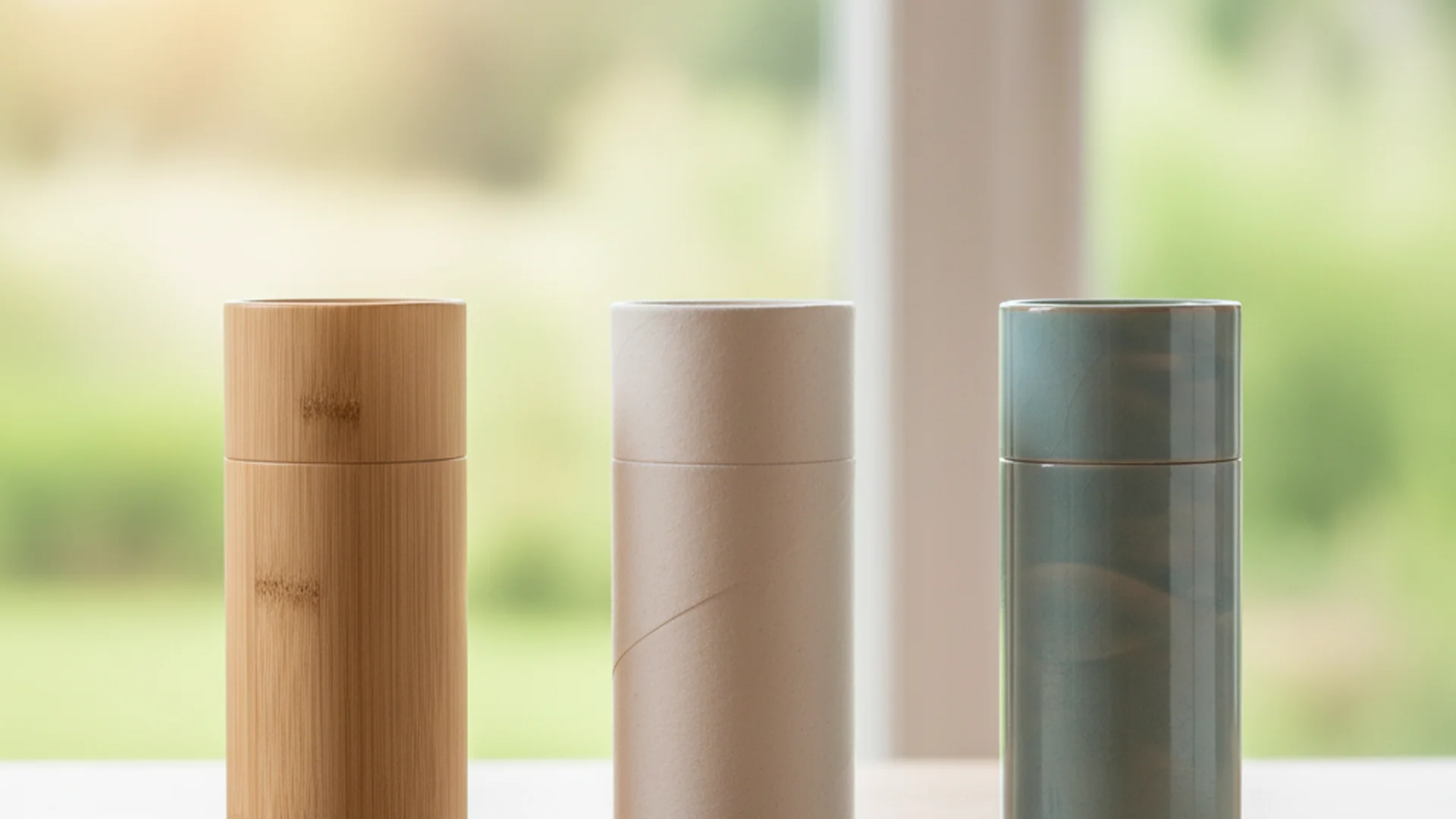
- The Concentration Trap: As mentioned, pouring all the ashes in one spot is harmful to the garden. Use "scattering tubes" for a more dignified, controlled, and even release. For more on this, see Scattering Tube Options.
- Assuming Legality: Just because a park has a "garden" feel doesn't mean it's a legal scattering site. Always obtain written permission to avoid fines.
Frequently Asked Questions
What is a scattering garden?
Can I scatter ashes anywhere in a "Garden of Remembrance"?
Do I need a special urn for a scattering garden?
How long can I keep ashes before scattering?
Is scattering ashes in a garden better for the environment than burial?
Conclusion
Choosing a scattering garden service is a beautiful way to return a loved one to the earth while maintaining a physical "home" for your grief. Whether you choose a tech-integrated modern garden or a quiet, traditional garden of remembrance, the key is in the preparation. By understanding the timeline, managing the soil chemistry, and selecting the right memorial markers, you create a space that will flourish for generations.
If you are still in the early stages of planning, remember that there is no rush. Take the time to visit different gardens, feel the atmosphere, and decide which landscape best reflects the spirit of the person you are honoring.
Plan Your Tribute
Discover more about professional memorial options and tools today.
View Scattering GuidesWritten by Julian Rivera
Our team of experts is dedicated to providing compassionate guidance and practical resources for end-of-life planning. We're here to support you with dignity and care.