Key Takeaways
- Shroud burials can save families $2,000–$5,000 compared to traditional funerals.
- 100% natural fibers like bamboo, wool, and linen are essential for green cemetery compliance.
- Preparation requires a "shrouding board" or trundle for dignified transport and lowering.
The landscape of end-of-life planning is shifting toward the earth. As a final expense financial planner, I have seen a massive surge in interest regarding sustainable alternatives to the traditional funeral industry. This shroud burial guide is designed to help you navigate one of the most ancient and environmentally respectful ways to return to the earth. By choosing a burial shroud made of natural burial cloth instead of a heavy casket, you are opting for a process that prioritizes natural decomposition and significant cost savings.
In 2025, the green burial market is no longer a niche movement; it is a projected $2 billion industry. More than 60% of consumers now express interest in eco-friendly options, driven by both a desire to reduce their environmental legacy and a need to manage rising funeral costs. Whether you are planning for yourself or a loved one, understanding the timeline and material options for a shroud burial is the first step toward a meaningful, "green" goodbye.
What is a Shroud Burial?
A shroud burial involves wrapping the body in a large piece of fabric—the burial shroud—rather than placing it in a traditional wood or metal casket. While this practice has been the standard in Jewish and Muslim traditions for centuries, it has recently gained traction in secular and "green" burial circles.
The primary goal is to facilitate a return to the earth. Without the barrier of a sealed casket or a concrete vault, the body undergoes natural aerobic decomposition. This process is aided by soil microbes and moisture, typically occurring within a few years.
The Environmental and Financial Benefits
From a financial planning perspective, the "shroud vs. casket" debate is often settled by the numbers. The national median cost for a traditional funeral with a vault and casket currently sits around $8,300. In contrast, choosing a shroud can eliminate several high-cost items:
- Casket Costs: Traditional caskets often range from $2,000 to $10,000. A high-quality shroud usually costs between $200 and $800.
- Vault Requirements: Most green cemeteries do not require (and actually prohibit) concrete vaults, which can cost $1,500 or more.
- Embalming: Shroud burials generally forgo embalming chemicals, saving $700–$1,000.
Beyond the savings, the environmental impact is profound. A single traditional burial involves roughly 3 gallons of toxic embalming fluid and 2,000 lbs of concrete. A shroud burial uses zero toxic chemicals and minimal natural resources. If you are concerned about your legacy, reviewing the Carbon Footprint of Funerals can provide deeper insight into why this choice matters.
Choosing Your Natural Burial Cloth
In 2025 and 2026, the variety of materials available for shrouds has expanded significantly. However, there is a strict rule: the fabric must be 100% biodegradable.
Popular Material Options
- Bamboo: A top recommendation for 2025. It offers a silky texture, is highly sustainable, and decomposes efficiently.
- Cotton and Linen: Classic choices that are breathable and easy for families to handle.
- Wool and Felt: These provide a "protective" and soft feel, often preferred for a cozy, swaddled appearance.
- Organic Denim: A rising trend for those who want a "familiar" or rugged look, moving away from traditional white silk.
Technical Sizing
If you are DIY-ing a shroud, experts suggest using a "Queen Size" equivalent (approximately 8ft x 8ft) of fabric. This ensures full coverage of the head and feet with enough extra material for secure tying at the ends.
The Logistics: Timeline and Decisions
Planning a shroud burial requires a slightly different timeline than a traditional service, primarily because the body is not embalmed.
1. Immediate Post-Death Care (Days 1–3)
Since embalming is avoided, temperature management is critical. Experts recommend using dry ice or "Techni-ice" packs to maintain the body's integrity during the window between death and the ceremony. This is a common practice for families working with a death doula.
2. The Shrouding Ritual
Many families find the act of shrouding to be a "last swaddle"—a therapeutic, hands-on event. During this time, you might tuck in:
- Handwritten letters
- Dried lavender or herbs
- Biodegradable mementos
3. Transport and Lowering
Because a shrouded body is "floppy" compared to a casket, you must plan for dignified transport. Most cemeteries require a shrouding board (a solid wood trundle) or a simple wooden plank to support the body as it is lowered into the grave using ropes.
Real-World Examples of Shroud Burials
To better understand how these decisions play out, consider these three scenarios:
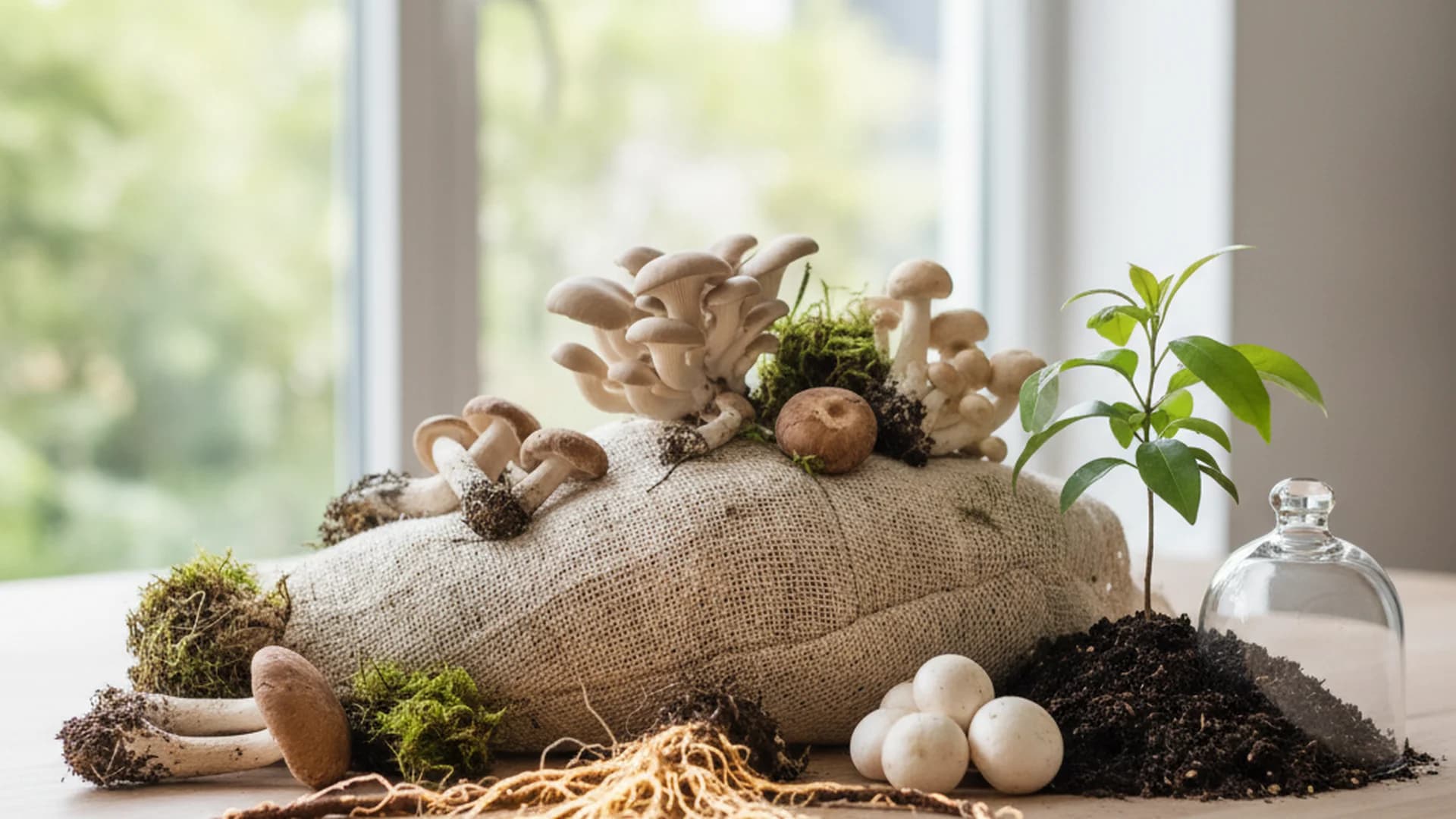
- The Purely Eco-Conscious Choice: A family in Oregon chose a mushroom-infused shroud for their patriarch. These specialized shrouds contain fungal spores intended to help neutralize toxins in the body as it decomposes. They coupled this with a ceremony at a certified conservation site. You can read more about this in our guide on Mushroom Burial Suits.
- The Artisanal Legacy: In 2026, we are seeing a surge in "legacy shrouds." One family in Vermont spent the days following a death hand-painting a linen shroud with plant-based dyes, illustrating the deceased’s life story.
- The Conventional Hybrid: A family in a suburban area used a shroud but was required by their conventional cemetery to use a "trayed" burial liner. This allowed them to honor the deceased's wish for a natural wrap while complying with local cemetery regulations.
| Feature | Traditional Burial | Shroud Burial |
|---|---|---|
| Container | Metal/Hardwood Casket | Natural Fiber Cloth |
| Chemicals | Embalming Fluid | None (Dry Ice used) |
| Cost | $8,000+ | $2,000 - $4,000 |
| Decomposition | Decades | 1 - 5 Years |
| Site Type | Conventional Cemetery | Green/Conservation Site |
Common Mistakes to Avoid
- Forgetting the Support Board: As mentioned, you cannot easily lower a body into a 4-foot grave with just fabric and ropes without it folding. Ensure you have a wooden trundle.
- Underestimating "Body Form": A shrouded body is human-shaped. For some, this is a deeply moving and natural sight; for others, the visual reality can be a shock if they are only used to seeing large, rectangular caskets.
- Ignoring Cemetery Bylaws: Some conventional cemeteries allow shrouds but still insist on a concrete vault. This defeats the "green" purpose. Always verify the rules of the specific plot.
- Buying Synthetic Elements: Double-check that all ribbons, threads, and handles are made of cotton, silk, or jute.
Recent Trends (2025–2026)
The "Green Burial" movement is evolving rapidly. One of the most significant updates for 2025 is the integration of digital death planners. Families are now using apps to select their shroud materials and pre-fund their burial, ensuring their eco-friendly wishes are legally documented before they pass.
Additionally, the number of Green and Eco Funeral Guide resources has grown, as there are now over 470 certified green burial sites across North America. Hybrid cemeteries—traditional sites that have opened specific "natural" sections—are becoming the new standard for urban areas where land is limited.
Frequently Asked Questions
Is a shroud burial legal?
Do I need a casket if I use a shroud?
Can we still have a viewing with a shroud?
What happens to the body in a shroud?
Is it unsanitary to bury a body in a shroud?
Conclusion
The transition to shroud burials reflects a broader societal move toward simplicity, transparency, and environmental stewardship. For those planning their final expenses, a shroud offers a way to significantly reduce the financial burden on survivors while leaving a legacy that heals the earth rather than scarring it.
Whether you choose a simple linen wrap or an artisanal hand-painted bamboo shroud, the choice is a powerful statement of values. For more information on navigating these choices, explore our Eco-Friendly Cremation options or look into Biodegradable Burial Products to complement your planning.
Written by Sarah Goldberg
Our team of experts is dedicated to providing compassionate guidance and practical resources for end-of-life planning. We're here to support you with dignity and care.