Key Takeaways
- Choose urn materials based on the final location (home, burial, or niche).
- Use the "Golden Rule" for sizing: 1 pound of body weight equals 1 cubic inch.
- Understand TSA regulations before purchasing metal urns for air travel.
Selecting a final resting place for a loved one is a deeply personal task, yet the practicalities of the process can often feel overwhelming during a time of grief. This Urn Material Guide is designed to simplify those choices by helping you navigate the various options available in 2025 and 2026. As cremation rates continue to rise—with the National Funeral Directors Association (NFDA) projecting a 63.4% rate in the U.S. by 2025—understanding the durability, aesthetics, and legal requirements of different materials is more important than ever for modern families.
Why Your Choice of Material Matters
When I work with families as a Final Expense Financial Planner, I often see people rush into buying a container based solely on its appearance. While the visual tribute is vital, the material determines where the urn can go, how long it will last, and whether it meets local cemetery regulations.
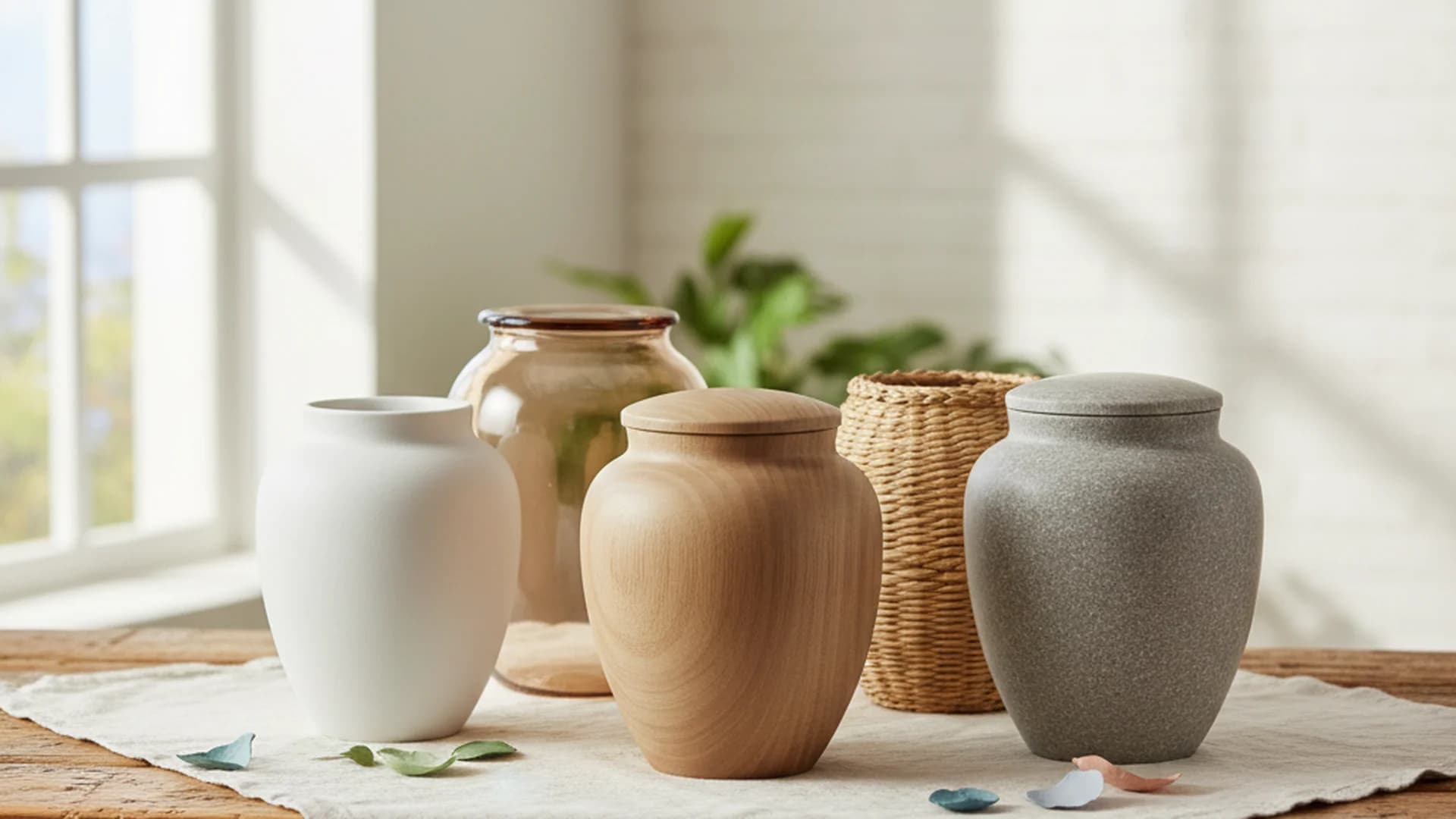
The global cremation urn market is evolving rapidly, projected to reach $11.5 billion by 2033. This growth is driven by a shift toward personalized memorials. Whether you are looking at a timeless brass urn, a warm wood urn, or a handcrafted ceramic urn, your choice should align with your long-term plans for the remains.
The Durable Classic: The Brass Urn and Metal Options
Metal urns, particularly those made of brass or bronze, remain a staple in the industry, accounting for approximately 28% of the market share. These are favored for their incredible durability and "heft," providing a sense of security and permanence.
Benefits of Metal
A brass urn is virtually indestructible in a domestic setting. Unlike other materials, it will not shatter if knocked over by a pet or a child. Most metal urns feature a threaded screw-top lid, which provides a secure, airtight seal. This makes them the gold standard for families who plan to move house frequently and want to ensure the remains are safe during transport.
Considerations for Burial
If you are planning for an interment, you must check Burial Urn Requirements. While metal is durable, many cemeteries still require an urn vault to protect the container from the weight of the earth and heavy machinery.
The Natural Choice: The Wood Urn
Wood urns capture about 32% of the market, making them the most popular choice for home display. There is an inherent "warmth" to wood that many families find comforting compared to the "cold" feel of metal or stone.
Common Wood Types
- Oak and Walnut: High durability and classic grains.
- Mahogany: Known for its deep, rich color and premium feel.
- Bamboo: A rising trend for 2025-2026 due to its sustainability.
- MDF (Medium Density Fiberboard): A budget-friendly option, though less durable than solid hardwoods.
Preparation and Care
A wood urn acts much like fine furniture. It requires occasional polishing and should be kept out of direct sunlight to prevent fading or warping. If you are considering a shared memorial, you might look into Companion Urns for Two, which are frequently crafted from high-quality hardwoods to accommodate the remains of two individuals.
The Artistic Tribute: The Ceramic Urn
Ceramic and glass urns are favored by those looking for a unique, artisanal tribute. This segment is seeing a 7% growth as consumers move away from mass-produced items toward handcrafted pieces.
Aesthetic Versatility
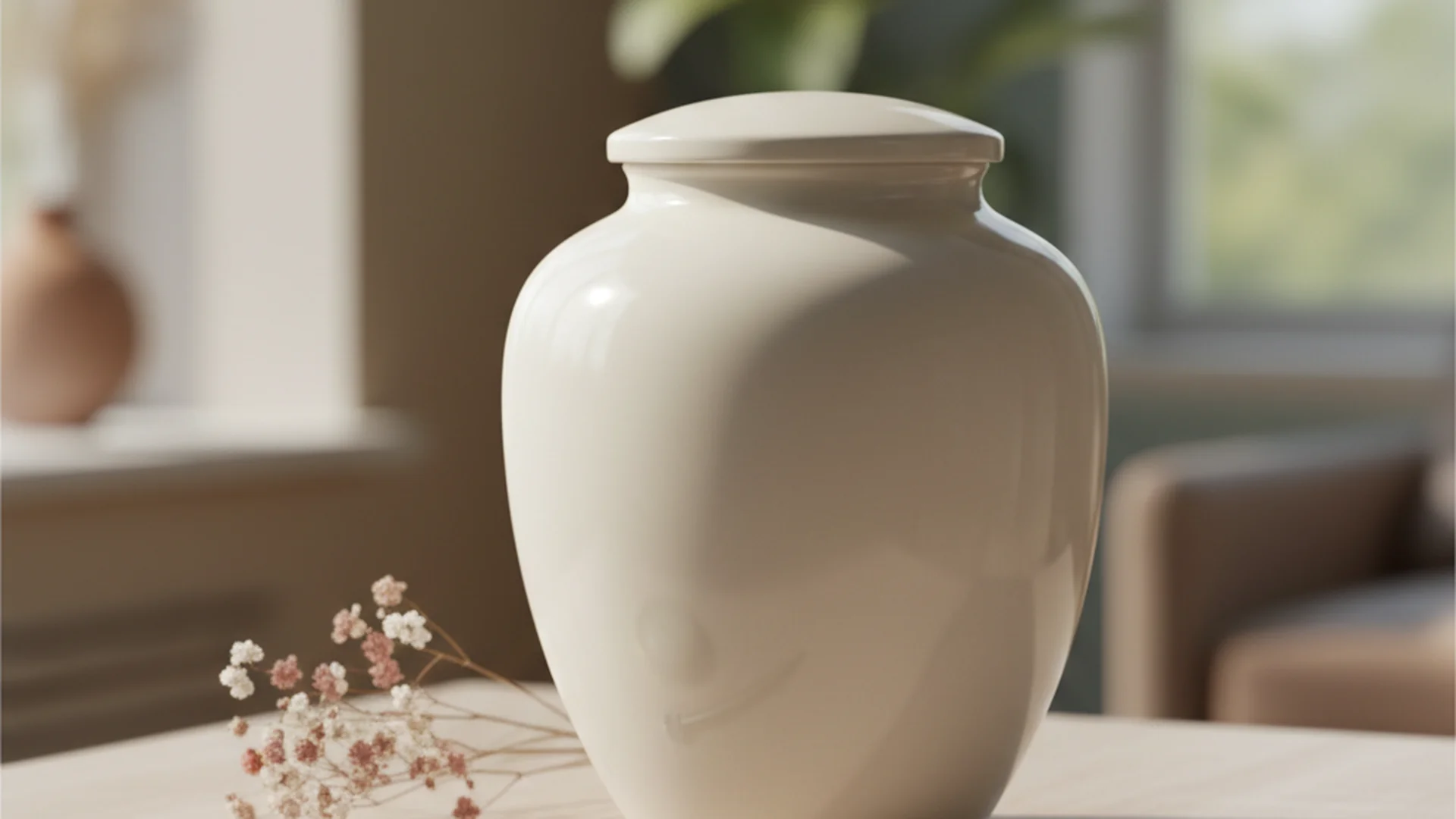
A ceramic urn can be glazed in any color and molded into various shapes, from traditional vases to modern abstract sculptures. They are perfect for shelf displays in temperature-controlled environments.
The Fragility Factor
The primary drawback of ceramic is its fragility. It can crack during freeze-thaw cycles if placed in an outdoor columbarium niche, and it will shatter if dropped. If you choose ceramic, ensure it is placed in a low-traffic area of your home.
| Feature | Brass/Metal Urns | Wood Urns | Ceramic Urns |
|---|---|---|---|
| Best For | Burial, columbarium, long-term display. | Indoor display, "warm" home aesthetic. | Artistic tributes, shelf display. |
| Durability | High. Resistant to drops and weather. | Medium. Sturdy but humidity-sensitive. | Low. Fragile and can shatter easily. |
| Maintenance | Low (occasional dusting). | Moderate (requires furniture polish). | Low (dry cloth dusting). |
| Travel (TSA) | Difficult. Often too dense to X-ray. | Easy. Transparent to X-rays. | Moderate. Risk of breakage. |
Sizing Your Urn: The Golden Rule
One of the most common mistakes families make is buying an urn that is too small. The industry standard is known as the "Golden Rule": 1 pound of body weight = 1 cubic inch of urn capacity.
A standard adult urn typically holds 200 cubic inches. However, factors like bone density can influence the final volume of remains. If a person weighed 220 lbs, a standard 200-cubic-inch urn may not be sufficient. In such cases, you might consider Keepsake Urns Explained: What to Choose, What to Avoid, and Budget Tips to hold the small amount of excess remains.
For a deeper dive into these calculations, refer to our Cremation Urn Size Guide: What to Know and How to Prepare.
Recent Trends for 2025–2026
The funeral industry is currently undergoing a digital and environmental revolution. If you are planning for the future, keep these trends in mind:
- Digital Memorialization (The "QR Urn"): Many modern urns now include discreetly placed QR codes. When scanned, these link to a digital legacy page featuring photos, videos, and a guestbook for the deceased.
- 3D-Printed Customization: Families are now using 3D printing technology to create urns in unique shapes, such as a favorite car or a musical instrument, often using recycled eco-plastics.
- Sustainable "Living" Materials: Beyond standard wood, 2025 has seen a surge in biopolymer urns infused with wildflower seeds. These are intended for "memory forest" burials where the urn nourishes a new tree as it biodegrades.
- Premium Artisanal Focus: There is a significant shift toward one-of-a-kind, hand-blown glass and hand-thrown ceramic pieces that look more like art than traditional funeral vessels.
Common Mistakes to Avoid
In my years as a financial planner, I’ve seen these four mistakes happen repeatedly. Avoiding them can save you significant stress and money.
1. Ignoring Cemetery Bylaws
Many families purchase an expensive ceramic urn for burial, only to find the cemetery rejects it. Cemeteries often have strict rules about material durability to prevent the ground from sinking. Always confirm their requirements before you buy.
2. The Travel Trap
If you need to transport remains across state lines or internationally, do not buy a heavy metal urn at the last minute. TSA agents are prohibited from opening urns out of respect for the deceased. If the X-ray cannot see through the material, the urn will not be allowed on the plane.
3. Material Misjudgment
Using thin-walled tin or low-grade MDF for long-term home display is risky. These materials can warp or rust in humid environments, potentially compromising the seal.
4. Forgetting Personalization
Once an urn is filled, it can be difficult to move the remains to engrave the surface. It is best to plan your Urn Engraving Options at the time of purchase to ensure the tribute is complete from day one.
Frequently Asked Questions
Can I bury a wood urn directly in the ground?
How do I know if the ashes will fit?
What material is best for an outdoor niche?
Can I provide my own urn to the crematorium?
Conclusion
Choosing the right material is the first step in creating a lasting tribute. Whether you prefer the timeless weight of a brass urn, the organic beauty of a wood urn, or the creative expression of a ceramic urn, ensure your choice fits both your heart and your practical plans for the future. By following this Urn Material Guide, you can make a decision that provides peace of mind for years to come.
Written by Sarah Goldberg
Our team of experts is dedicated to providing compassionate guidance and practical resources for end-of-life planning. We're here to support you with dignity and care.